New Construction & HVAC Testing

Duct & Airflow Testing: Code Compliance You Can Prove

ESG performs independent duct leakage testing, blower door testing, and airflow verification for new construction and HVAC systems. Fast scheduling. Digital documentation. Reports inspectors accept.

Third-Party Independent Code-Required Testing Digital Reports
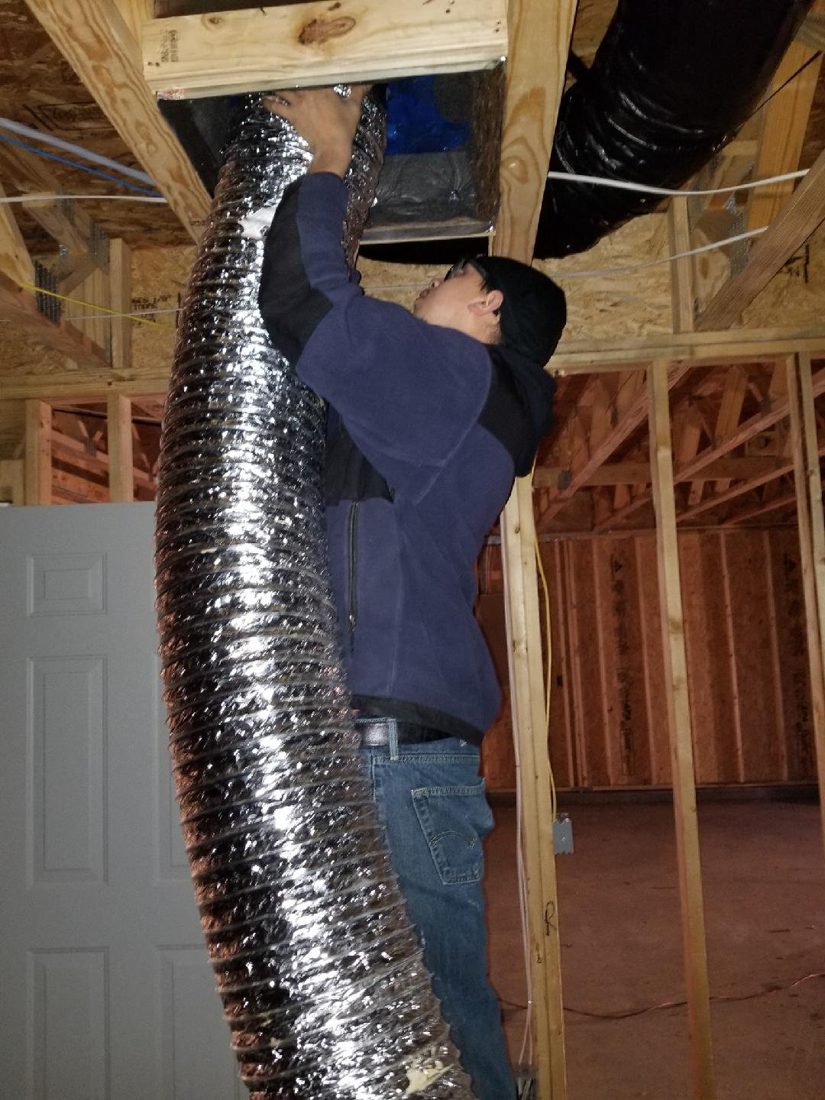
ESG technician in protective equipment sealing a duct system for leakage testing in a Greensboro home

Code-Required Testing for New Construction & HVAC

ESG provides the third-party verification builders, HVAC contractors, and inspectors need to close out projects and satisfy code requirements.

Duct Leakage Testing (Duct Blast)

Pressurized testing of duct systems to measure leakage and verify that ductwork meets energy code requirements. Commonly required for new construction under the IECC and many state energy codes.

Code Required

Blower Door Testing

Whole-building air tightness testing that measures how much air leaks through the building envelope. As homes become more energy efficient, this test ensures proper balance between tightness and ventilation.

Energy Code

Airflow & Ventilation Verification

Measurement of actual airflow at registers, exhaust fans, and ventilation systems to confirm the HVAC system is delivering the designed airflow to each room. Identifies imbalances and deficiencies.

HVAC Performance

Room Pressurization & Exhaust Fan Verification

Testing for pressure imbalances between rooms that can indicate airflow problems, moisture intrusion paths, and comfort complaints. Exhaust fan performance verification confirms code-required ventilation rates.

Comfort & Moisture

Tight Homes Need Verified Ventilation

As new construction gets more energy efficient, unintended indoor air quality consequences increase. Without proper verification, tighter homes can suffer from elevated CO₂, trapped humidity, odor complaints, and short-cycling HVAC systems.

Elevated CO₂ from insufficient fresh air exchange
Trapped humidity leading to condensation and mold risk
Comfort imbalances room-to-room from pressure problems
Short-cycling HVAC from oversizing or duct leakage
Air intrusion from crawlspaces, attics, and garages

Why Builders Choose ESG

Fast scheduling: we work around your build timeline
Digital reports formatted for inspectors and lenders
Independent third-party: no contractor conflicts
Reliable turnaround: no delays to your closing timeline
Top-tier calibrated equipment, not retail home inspector tools
ACAC-certified professionals with building science expertise

Independent Testing Protects You Legally

When ESG tests your ductwork and airflow, the documentation is produced by a third party with no financial interest in the outcome. That means it's defensible if a buyer complaint, warranty claim, or lender question arises after closing.

We do not install, service, or repair HVAC systems. We only test and document. That independence is exactly what makes our reports credible.

Schedule Testing
Independent & unbiased: no contractor conflicts of interest
Every report reviewed by two certified professionals
Calibrated, professional-grade equipment: Blower Door, Duct Blaster
Documentation built to stand up to scrutiny if disputes arise
23+ years serving North Carolina builders
Building science expertise beyond "just testing"

Duct & Airflow Testing FAQ

When does duct leakage testing need to happen?

Duct leakage testing is typically performed after the duct system is roughed in and before drywall is closed. This allows any leaks to be found and corrected before they're inaccessible. A final test may be required at certificate of occupancy.

Is duct testing required by code in North Carolina?

Duct leakage testing is commonly required under the NC Energy Conservation Code for new construction. The specific requirement depends on the edition of the code adopted by your jurisdiction. ESG is familiar with NC, VA, and TN requirements.

What's the difference between duct leakage and blower door testing?

Duct leakage testing measures how much air leaks out of the duct system itself. Blower door testing measures how much air leaks through the entire building envelope. Both are often required and address different systems.

What happens if the test fails?

ESG identifies the location and magnitude of leakage. The HVAC contractor or builder can then seal the leaks and we retest. We document both the initial test and the final passing test for the inspection record.

Do you work with production builders or custom builders?

Both. ESG works with high-volume production builders who need reliable scheduling across multiple homes, and with custom home builders who need detailed documentation for higher-end projects.

Can you also test for IAQ problems during construction?

Yes. ESG offers moisture and mold assessments during construction as a separate service. If you need both duct testing and moisture documentation for a project, we can coordinate both efficiently.

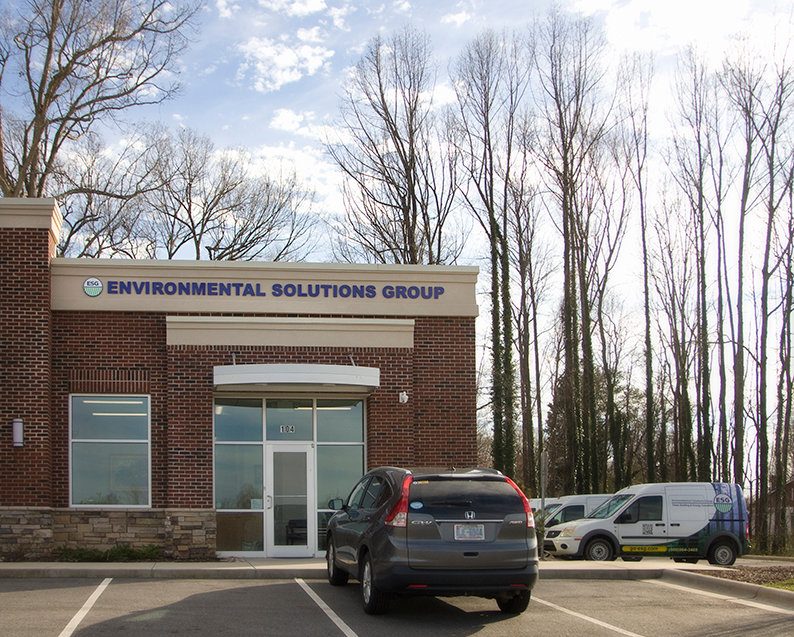
ESG office building with company vehicles parked outside in Greensboro NC
Independent environmental testing across NC, VA & TN.

Ready to Schedule Duct & Airflow Testing?

ESG works with builders across NC, VA, and TN. Fast scheduling, digital reports, and independent documentation that inspectors and lenders accept.

Mon-Fri 8am-5pm · Environmental@go-esg.com