Call us or book online. Technical reports receive review appropriate to the service and scope.
336-373-1538A one-time air test gives you a snapshot. Ongoing monitoring shows how measured conditions at the monitored locations change over the monitored period: trends, anomalies, and whether improvements moved the numbers. ESG installs and manages air quality monitors, translates the data into clear insights, and provides independent consultation so you know what to do next.
Without ongoing data, building managers and homeowners respond to complaints instead of conditions. Continuous IAQ monitoring replaces assumptions with trend data, so you can spot problems early, target fixes, and see whether measured conditions changed after what you did.
Without data, building managers run HVAC at maximum capacity regardless of actual occupancy or conditions, respond reactively to tenant complaints about air quality, and have no way to show whether an HVAC change, renovation, or cleaning protocol made any measurable difference.
ESG's ongoing monitoring shows what's typical at the monitored locations, alerts you when monitored conditions drift outside targets, and provides before-and-after trend data after HVAC changes, renovations, or occupancy shifts. Real-time CO₂ data supports smarter, demand-driven ventilation decisions.
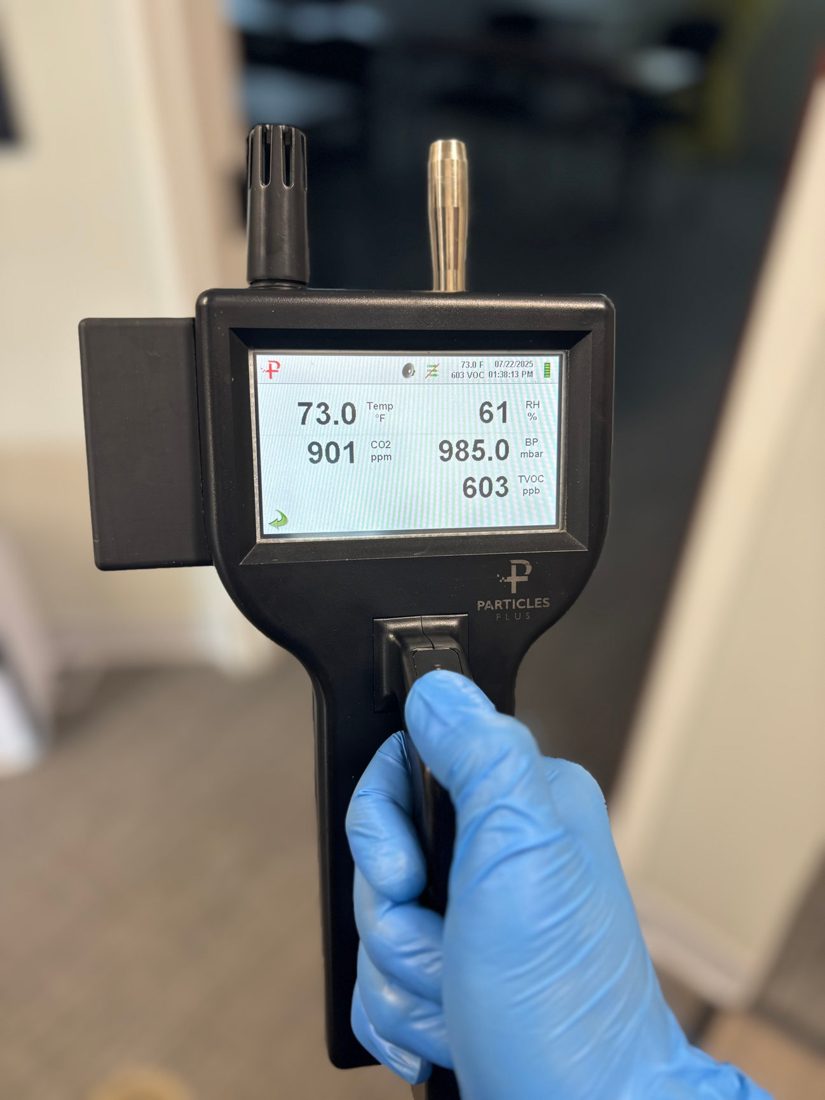
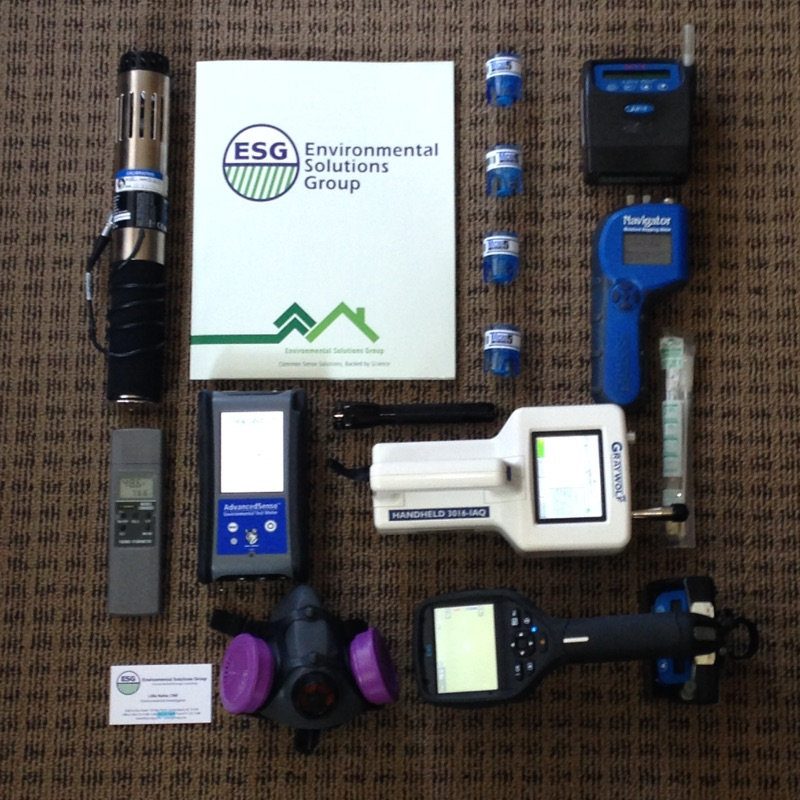
ESG monitors the parameters that matter most for occupant health, comfort, and building performance. We install and manage the equipment, handle the ongoing indoor air quality data collection, and provide continuing consultation, not just raw numbers.
Most IAQ monitoring vendors sell you hardware and walk away. ESG provides ongoing monitoring and consultation: installing and managing devices, interpreting what the data means, and advising on what to do next. Our independence from HVAC contractors and remediation firms means you get unbiased guidance grounded in science.
For commercial buildings, ESG's monitoring demonstrates a measurable commitment to indoor environmental quality, data that can support tenant conversations and premium positioning. For homeowners, ongoing humidity oversight is a practical step that helps reduce the risk of moisture problems, mold growth, and recurring IAQ issues.
We test. We never remediate. That means when ESG recommends a fix, it's because the data says so, not because we profit from the work.
Get a Monitoring PlanESG's air quality monitoring program is built around a simple idea: data should lead to decisions. Every step is designed to give you actionable insight, not just numbers.
We identify your priorities (comfort, humidity control, HVAC performance, post-renovation baseline, or tenant transparency) and set practical target thresholds tailored to your building type and occupancy.
ESG installs and manages monitoring equipment across the zones that matter: common areas, occupied spaces, and high-concern locations. We handle the ongoing management so you don't have to.
ESG translates trends into plain-language reports that highlight what's normal, what's changed, and what to do next. Alerts are triggered when conditions drift outside your agreed thresholds. No guessing required.
After HVAC adjustments, operational changes, or renovations, monitoring shows whether measured conditions at the monitored locations improved. Show before-and-after trends to tenants, occupants, or stakeholders with confidence.
Offices, healthcare-adjacent spaces, schools, multi-tenant properties, and municipal facilities benefit from continuous data that supports tenant confidence, HVAC optimization, and data-backed reporting across the monitored spaces.
Families managing humidity, musty odors, allergies, asthma concerns, or post-remediation verification benefit from ongoing data that goes beyond a one-time snapshot.
No fabricated promises, just the facts about how we work.
Within the first few weeks, ESG establishes a baseline for typical conditions at the monitored locations. Trend data becomes most valuable after 30 to 60 days, when seasonal patterns, occupancy cycles, and HVAC behavior become visible. Threshold alerts are active from day one, so anomalies are flagged immediately.
Yes. ESG designs monitoring programs to cover the zones that matter, including common areas, occupied/leased spaces, and high-concern locations. Multi-floor and multi-zone coverage is standard for commercial buildings and campuses.
Yes. ESG provides routine reports on a schedule that suits your needs. Reports include trend data, threshold performance, notable anomalies, and plain-language interpretation of what the data means for your building and its occupants.
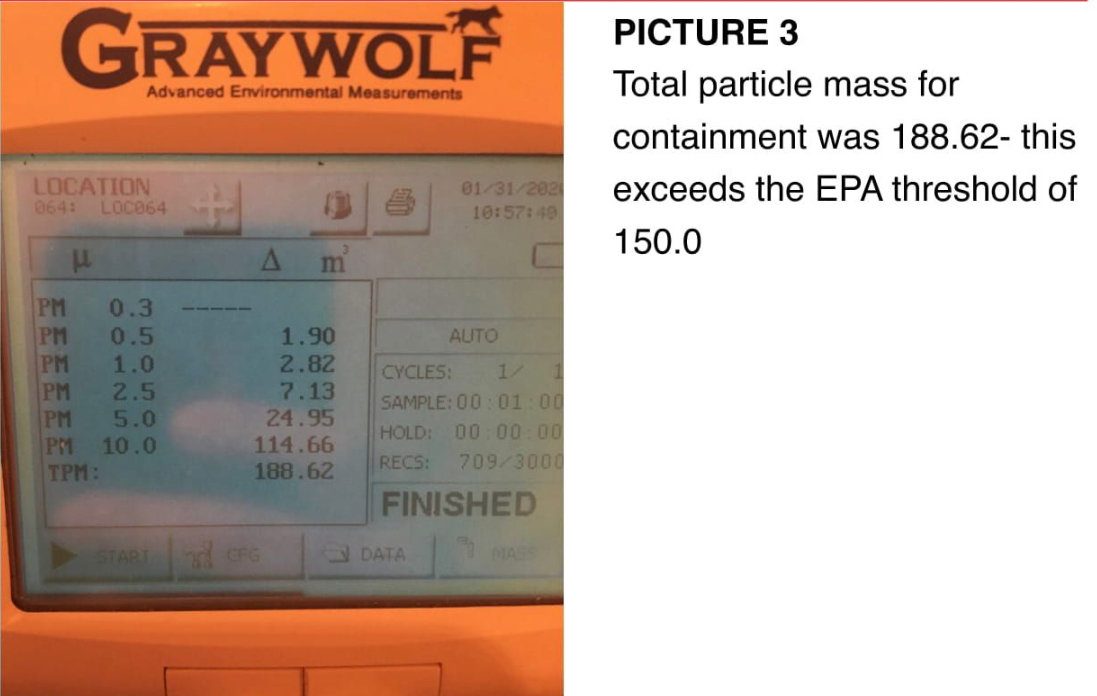
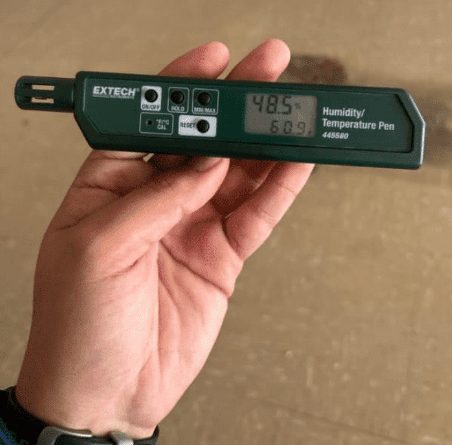
Core monitoring includes humidity and temperature, airborne particulates (PM2.5/PM10), and CO₂ and common indoor pollutants. Programs are tailored based on building type and goals: commercial buildings often prioritize CO₂ for HVAC efficiency, while residential programs frequently focus on humidity and particulate control.
No. ESG is a testing and monitoring company. We install and manage monitoring equipment and provide consultation, but we don't sell HVAC systems, air purifiers, or remediation services. Our independence means our recommendations are based entirely on what the data shows, not on what we profit from selling.
Yes, and this is one of the most valuable uses of ongoing monitoring. ESG captures before-and-after trend data following HVAC adjustments, operational changes, cleaning protocol changes, or renovations, giving you documented before-and-after measurements at the monitored locations rather than a best guess.

Tell us your building type, goals, and timeline. ESG will recommend a monitoring approach that fits your needs and budget, backed by independent third-party expertise. ESG does not perform remediation, which helps reduce financial conflicts between evaluation and corrective work.