Call us or book online. Every report peer-reviewed by two certified professionals.
336-373-1538Persistent odors, unexplained symptoms, or recent renovations? ESG uses accredited laboratory analysis to identify the specific chemical compounds in your indoor air and trace them back to their source. We test. We never sell remediation.
VOCs are invisible and cannot be identified by smell alone. Laboratory analysis is the only way to know which specific compounds are present and whether they originate from a normal building source or something more serious.
Occupants notice persistent smells or experience symptoms like headaches, dizziness, or respiratory irritation. Without testing, there is no way to know what compounds are present or where they originate.
A written report identifies the exact chemical compounds present, their concentrations, likely sources, and clear recommendations, giving building owners and occupants actionable information.
ESG's VOC assessments combine building history review, environmental measurements, specialized air sampling, and accredited laboratory analysis to identify not just what chemicals are present, but where they are coming from.
Environmental Solutions Group has been performing independent environmental testing and consulting since 2002, more than 23 years. Our VOC assessments are driven by science and building investigation, not by a sales agenda for air purifiers, filters, or treatment products.
Because we never sell remediation services or air quality products, our recommendations are genuinely independent. If elevated VOCs are identified, we tell you what the likely source is and what practical steps can address it, without any upsell.
Our certified professionals (CIEC, CMR, CIH) have the training and equipment to investigate chemical air quality concerns in homes, offices, schools, healthcare facilities, and industrial settings.
Schedule VOC TestingA structured four-step investigation that moves from your initial concern to lab-verified chemical identification and clear guidance.
Call 336-373-1538 or request online. We discuss your specific concerns, building history, occupant symptoms, and any recent changes that may be relevant to the investigation.
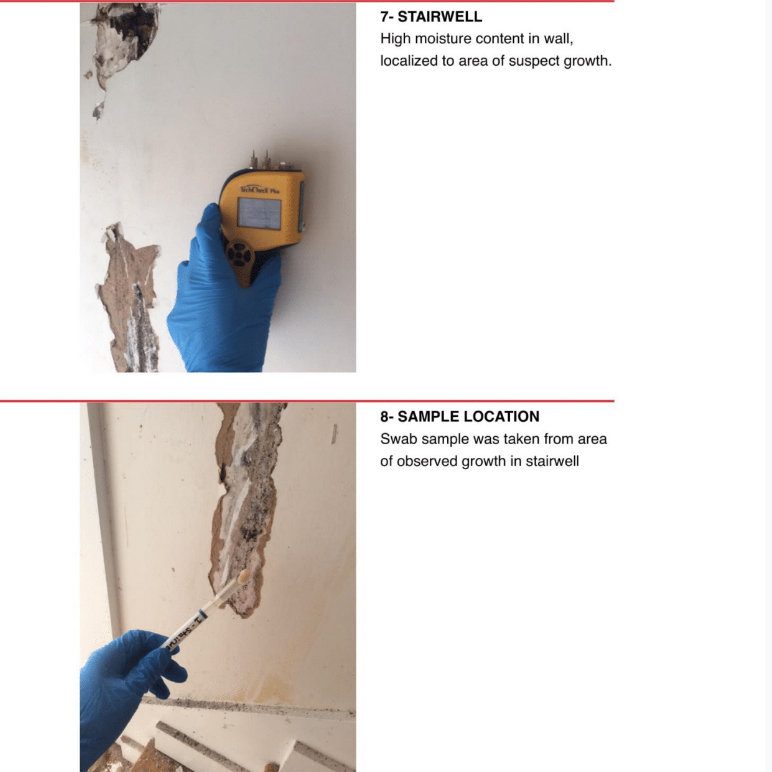
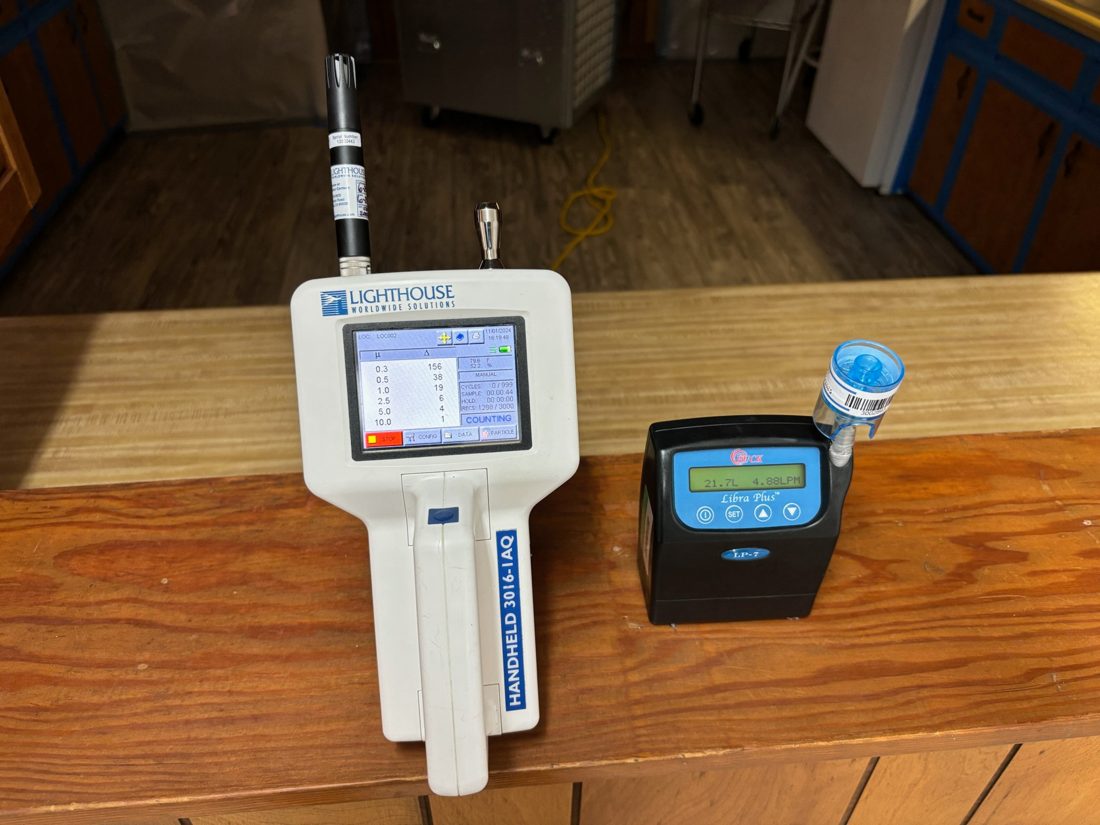
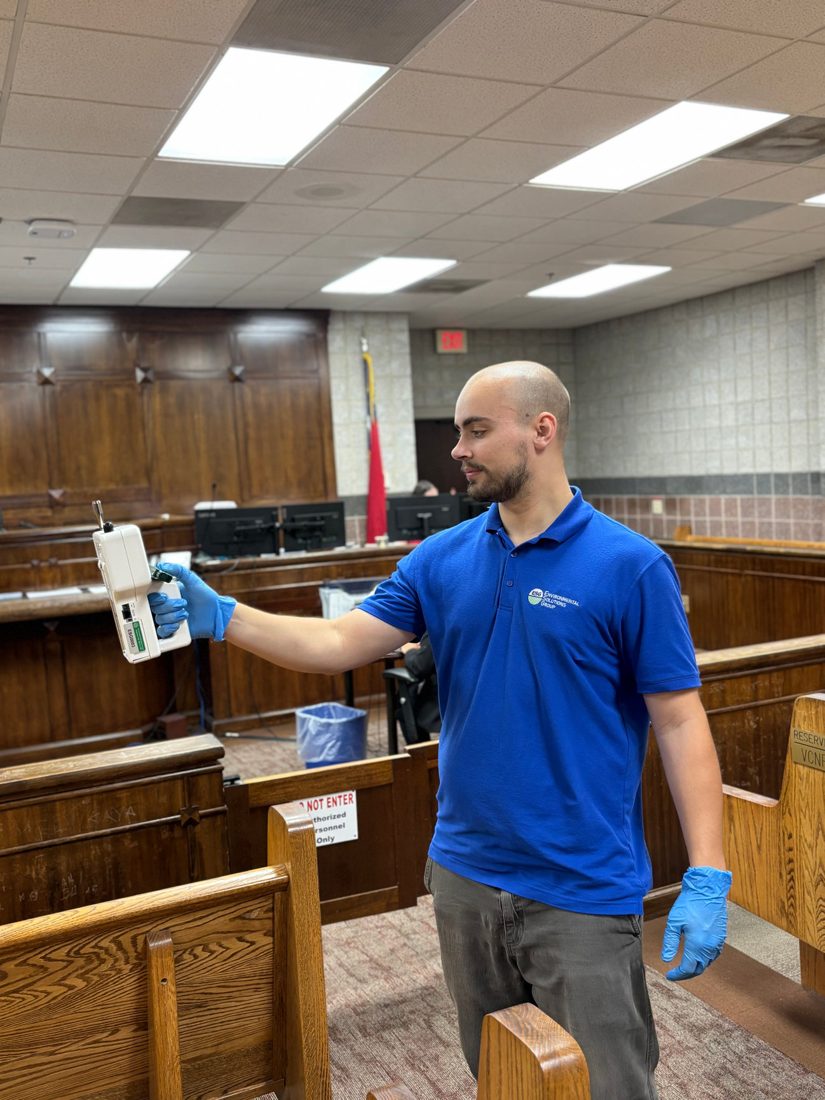
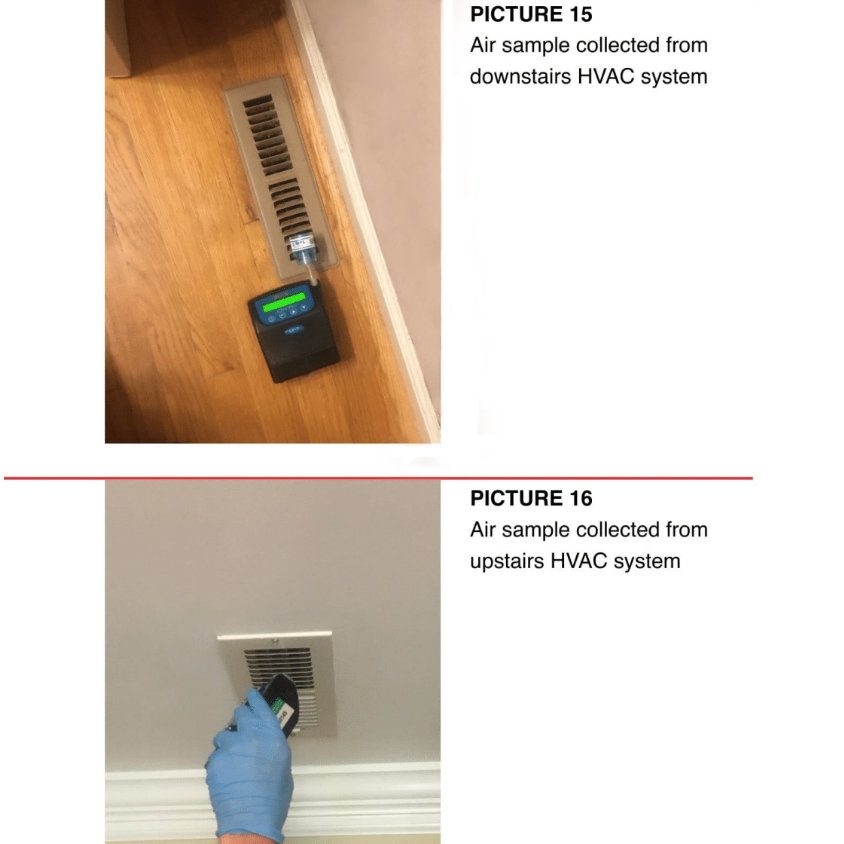
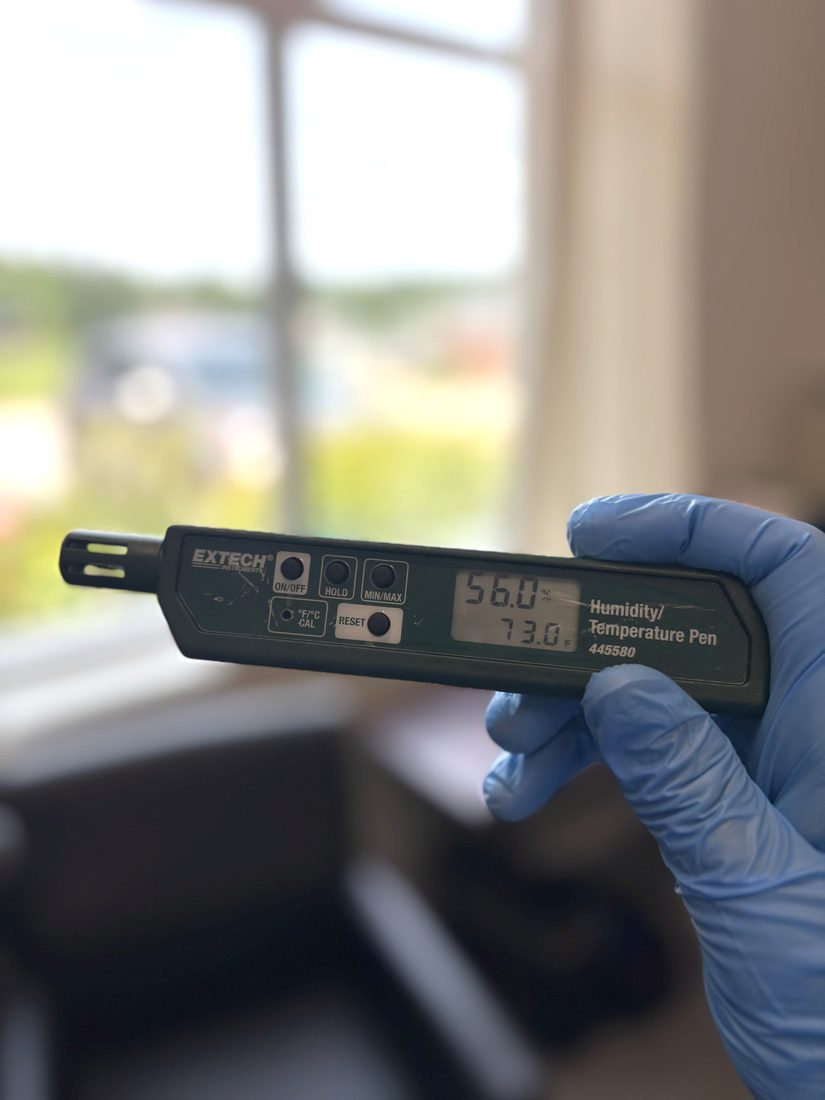
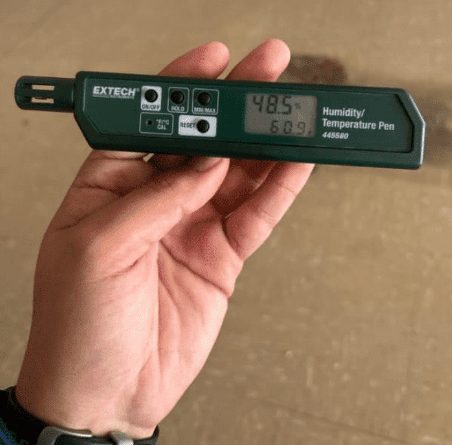
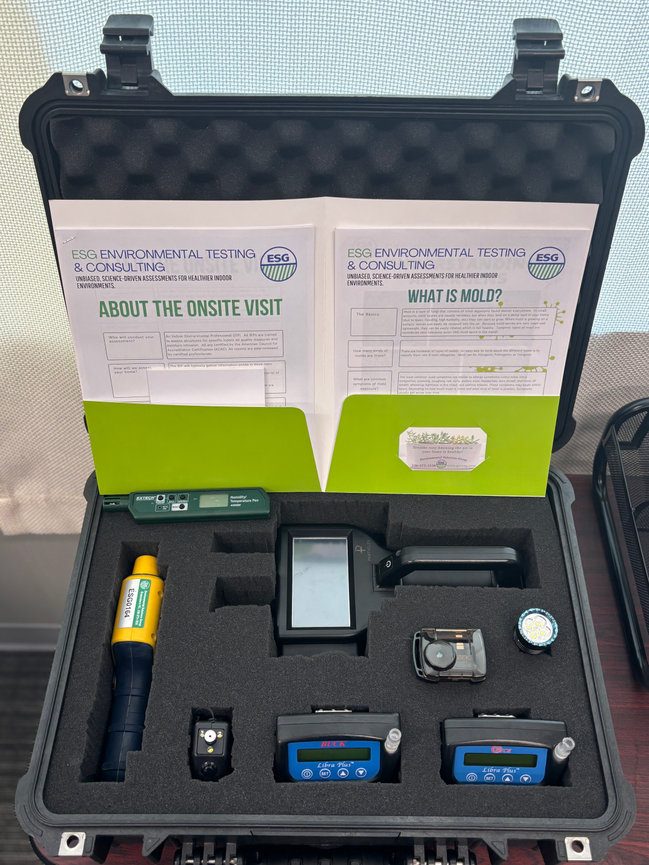
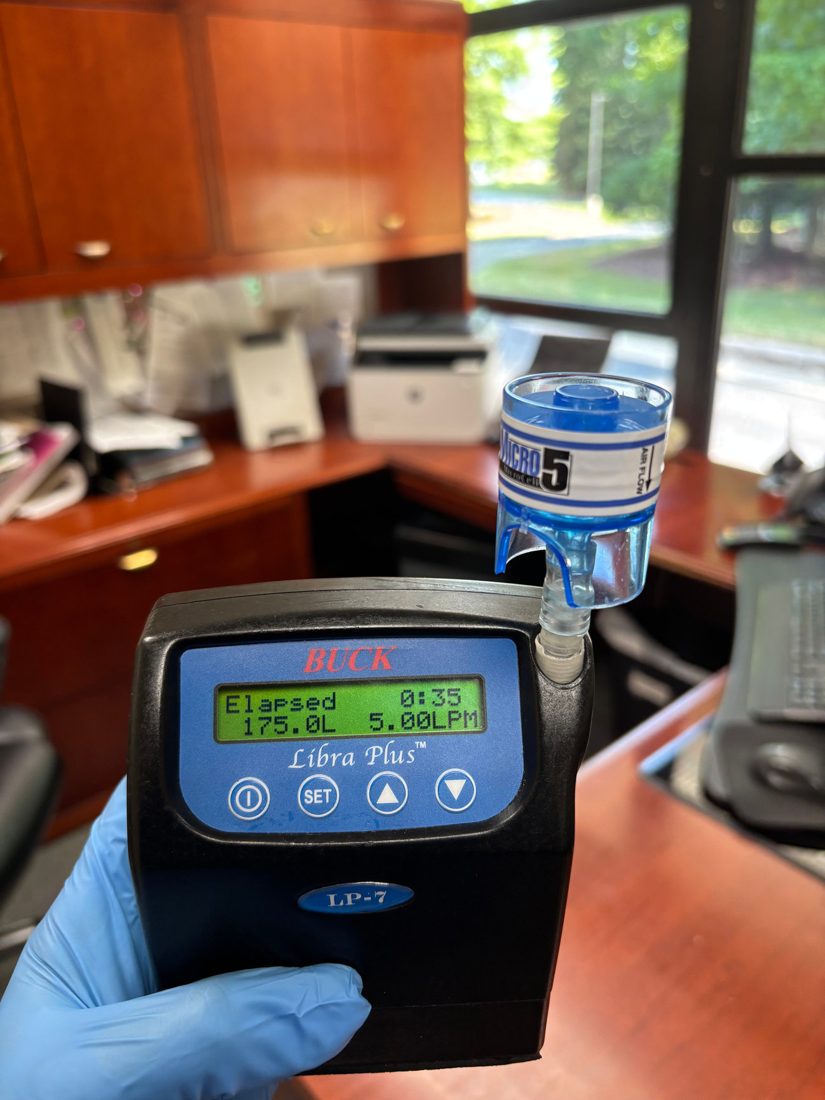
A certified ESG inspector visits the property, conducts a building walkthrough, collects air samples using specialized VOC sampling equipment, and measures environmental conditions.
Samples are analyzed by accredited environmental laboratories, identifying every individual VOC compound present, its concentration, and total VOC levels: data that cannot be obtained through odor alone.
You receive a detailed written report with lab findings, source analysis, and practical recommendations. An ESG professional is available to review every result with you.
Professional VOC testing identifies the exact chemical compounds in your air, their concentrations, and their likely sources, providing the objective data needed to make informed decisions.
Consumer air quality monitors and air purifiers do not identify which specific compounds are present, cannot trace contamination to a source, and may mask problems rather than solve them.
No fabricated promises, just the facts about how we work.
Volatile Organic Compounds (VOCs) are carbon-based chemicals that easily evaporate into the air at room temperature. Because buildings trap air, VOCs from cleaning products, building materials, furnishings, paints, and solvents can accumulate to concentrations that cause noticeable odors or, at higher levels, occupant symptoms such as headaches, dizziness, or respiratory irritation.
The most common triggers are persistent chemical or solvent-like odors that cannot be traced to an obvious source, occupant symptoms that improve when people leave the building and return when they re-enter, recent renovations or new material installations (flooring, paint, cabinets), and indoor air quality complaints in offices, schools, or healthcare facilities.
Lab analysis identifies which specific chemical compounds are present. By combining that data with the building walkthrough, occupant interview, and environmental measurements, ESG can often narrow down the likely source category, whether that is cleaning products, off-gassing building materials, HVAC contamination, stored chemicals, or an external industrial source.
No. Consumer monitors report a generic "total VOC" number that cannot identify which compounds are present or at what levels. Accredited laboratory analysis identifies individual chemical compounds with precision. This is the only approach that provides scientifically defensible data for source investigation, workplace complaints, insurance, or legal purposes.
New construction and recent renovations are a common reason for VOC testing. Many building materials, including flooring adhesives, paints, sealants, cabinetry, and furniture, release VOCs during installation and curing. Testing can confirm whether materials are affecting air quality and inform ventilation strategies or occupancy timing decisions.
No. ESG is an independent testing and consulting firm only. We do not sell air purifiers, filters, or any treatment products. Our recommendations are entirely science-driven and focused on identifying and removing the source of contamination (improving ventilation, adjusting cleaning practices, or isolating chemical sources), not on selling equipment.
Stop masking odors. Identify them. ESG's independent chemical air quality investigation gives you the lab-verified data needed to find the source and fix the problem.