Call us or book online. Every report peer-reviewed by two certified professionals.
336-373-1538When mold, water intrusion, or indoor air quality becomes a legal matter, ESG provides forensic environmental assessments and expert witness services grounded in independent testing since 2002, accredited lab analysis, and nationally recognized standards, not speculation.
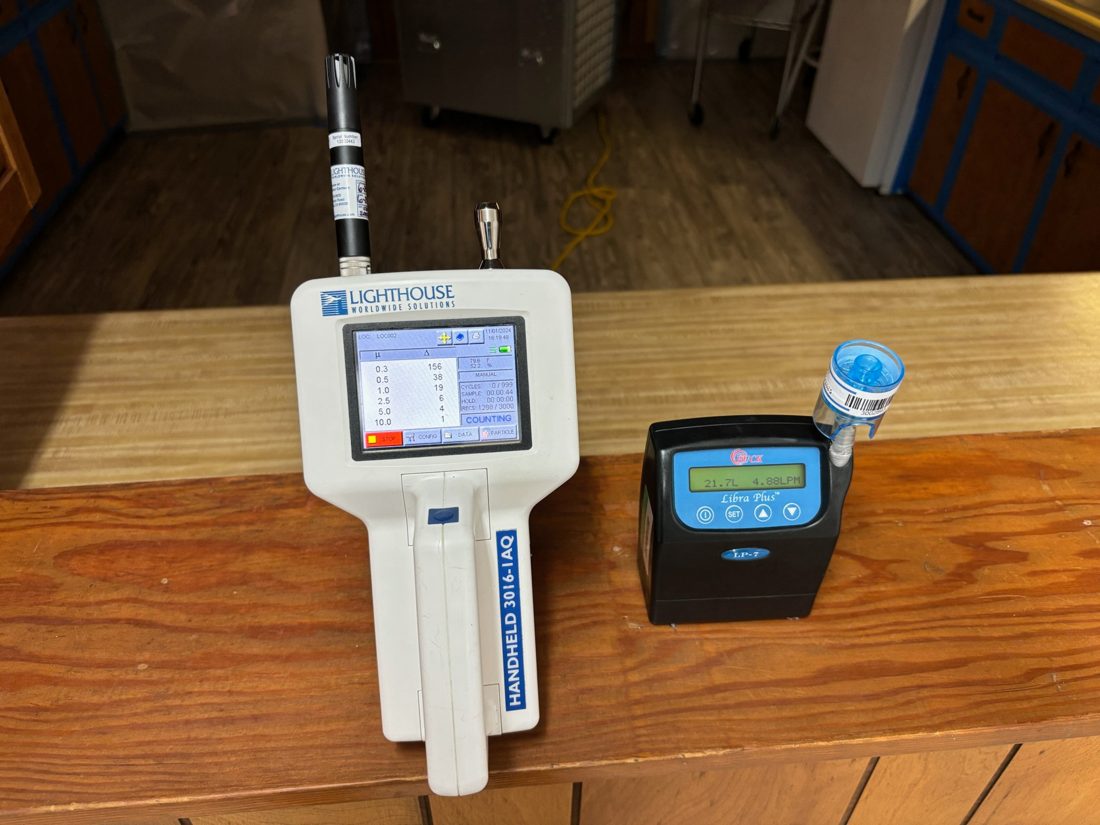
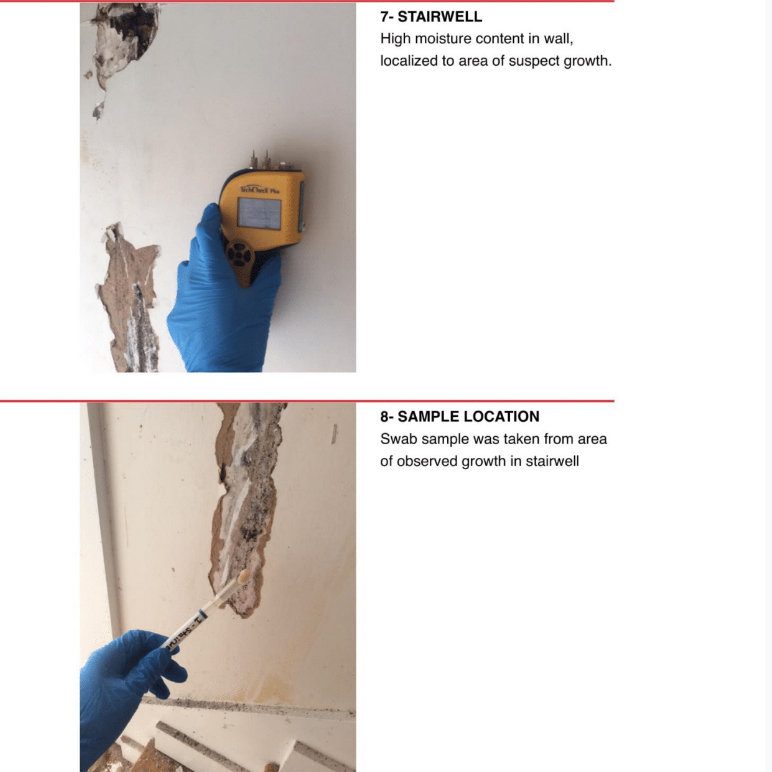
In environmental litigation, the quality of the expert's methodology determines how far a case can go. ESG's forensic assessments are built for legal scrutiny: calibrated instrumentation, accredited lab data, and detailed photographic documentation prepared for deposition and trial.
Environmental claims that lack accredited lab backing, calibrated instrumentation, and industry-standard investigation protocols are vulnerable in legal proceedings. Opposing counsel can challenge methodology, credibility, and the qualification of the expert, often successfully.
ESG investigations follow IICRC S520 and other nationally recognized standards, use accredited laboratory analysis, and are documented with calibrated instrumentation and comprehensive photography. Daniel Whittaker, CIEC, has experience providing expert testimony in depositions, arbitration, and trial proceedings.
ESG works directly with attorneys, insurance professionals, and property owners who require independent environmental expertise. Services are tailored to each matter's scope, timeline, and evidentiary needs.
ESG's foundational principle applies directly to litigation: we test, we never remediate. Because ESG has no remediation division, our expert opinions cannot be questioned on the basis of financial conflict. We have no stake in whether a remediation project is large or small, only in what the data shows.
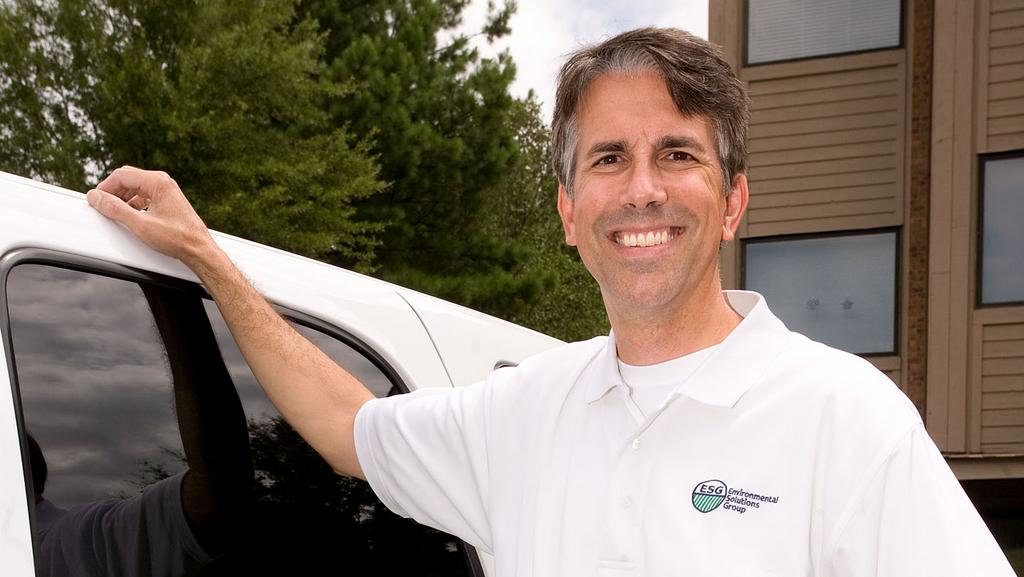
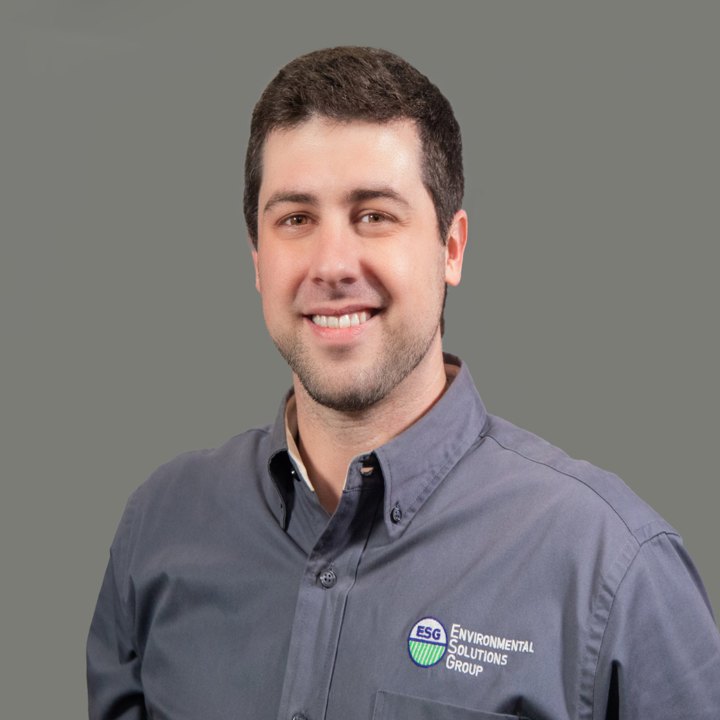
Daniel Whittaker, CIEC, is ESG's primary expert witness consultant. He has overseen environmental assessments across residential, commercial, and institutional properties involving water damage, mold contamination, IAQ concerns, and construction defects. He presents complex technical findings clearly to attorneys, judges, juries, and non-technical audiences.
ESG investigations follow IICRC S520, LEED environmental guidelines, and USGBC indoor environmental quality guidance, nationally recognized standards that ESG documents its methodology against in every report.
Discuss Your CaseEach engagement begins with a conversation about scope and then follows a structured forensic process, from initial document review through testimony, so the evidentiary record is complete and defensible at every stage.
ESG reviews the case file, prior environmental reports, remediation records, and any available documentation to understand the issues and identify gaps in the existing technical record before any site work begins.
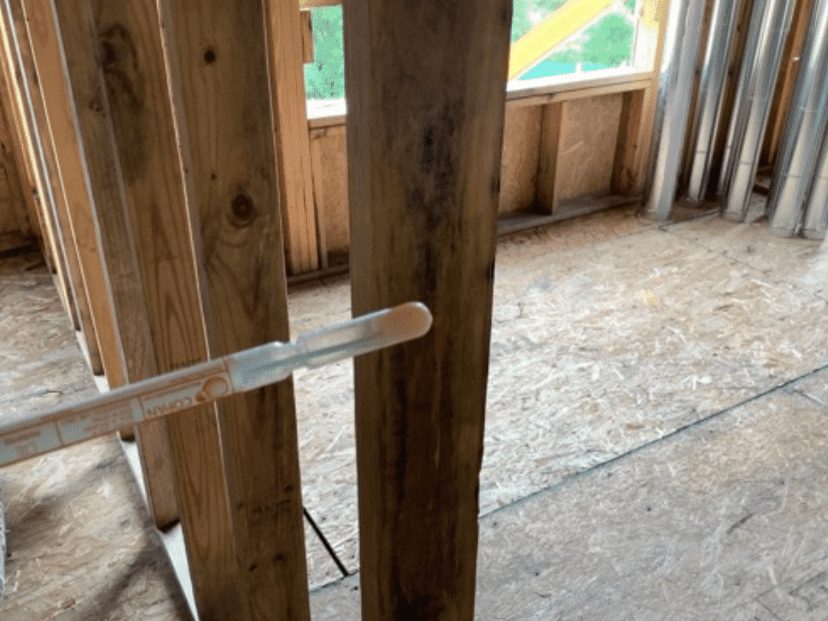
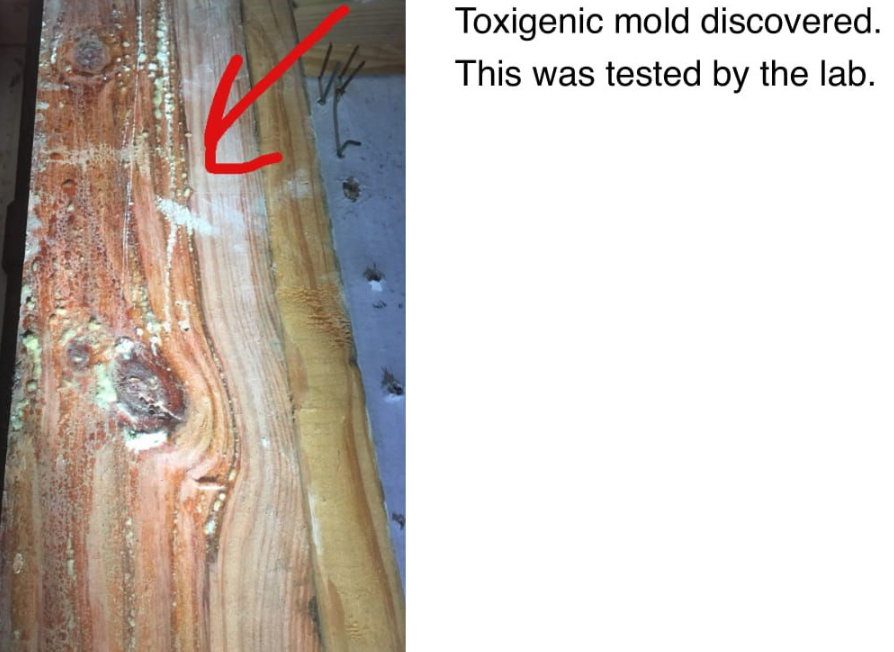
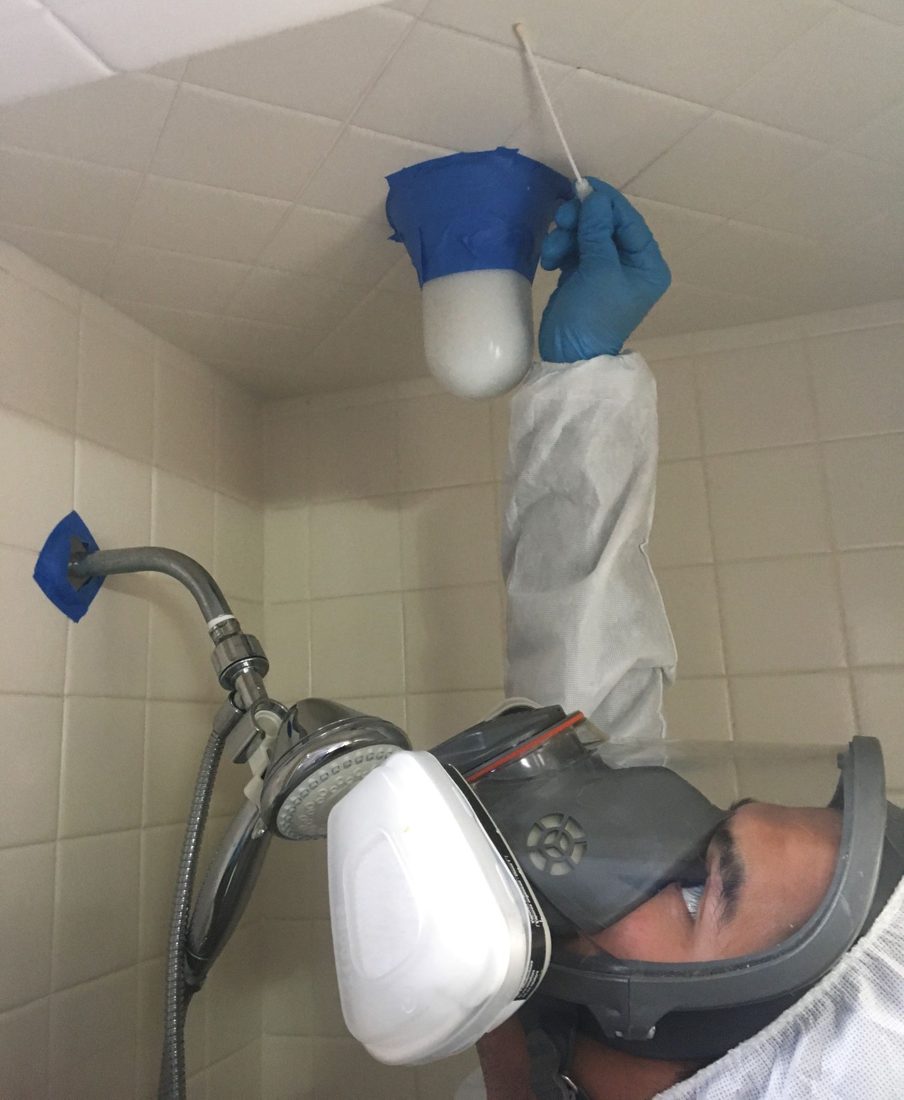
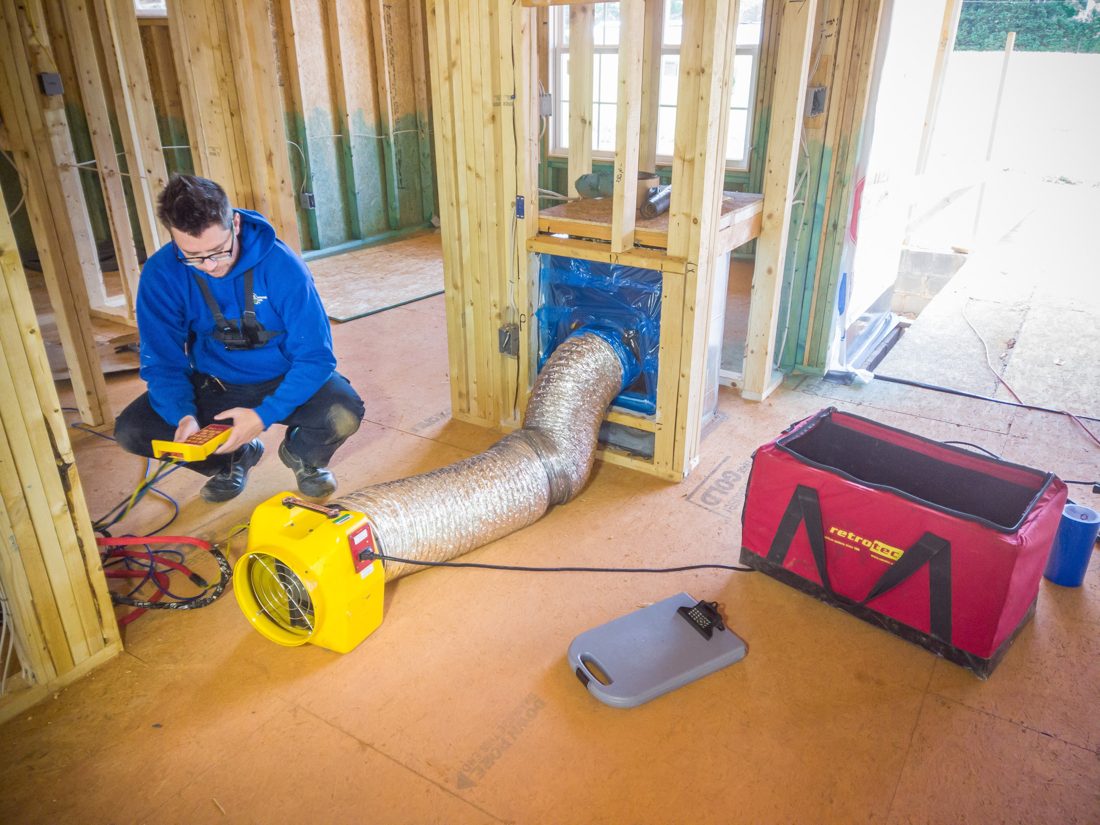
An independent on-site inspection is conducted using calibrated environmental instrumentation, detailed photographic documentation, and industry-standard investigative methods. Samples are collected and sent to accredited laboratories as needed.
Laboratory results are interpreted and integrated into a written expert report. The report presents findings, methodology, and opinions in clear language accessible to non-technical audiences: judges, juries, and opposing counsel alike.
Daniel Whittaker provides deposition, arbitration, and trial testimony, explaining complex building science and environmental issues in language that is clear and credible for legal audiences.
Because ESG tests only and never remediates, our findings are free from the conflict of interest that arises when a consultant profits from the size of the remediation project.
When the same firm that tests also sells remediation services, every finding is subject to a credibility challenge, an easy target for opposing counsel to undermine at trial.
Every claim below is verifiable, and every ESG report is built to carry the same standard of proof.
ESG commonly provides expert services in mold and water damage disputes, construction defect litigation involving moisture or building envelope failures, indoor air quality claims, landlord-tenant habitability disputes, and insurance claims involving environmental damage. If the issue touches building science, moisture, mold, or IAQ, ESG can likely help.
Daniel Whittaker, CIEC (Council-certified Indoor Environmental Consultant), is ESG's lead expert for litigation matters. He has overseen environmental assessments across residential, commercial, and institutional properties and has experience providing expert testimony in depositions, arbitration, and trial proceedings involving mold, water intrusion, and IAQ claims.
ESG tests only; we never remediate. This distinction is critical in litigation: it eliminates the conflict of interest that exists when a consultant profits from the size of the remediation project. Our findings are driven entirely by what the data shows, which makes them far more defensible under cross-examination.
ESG investigations are grounded in nationally recognized standards including the IICRC S520 Mold Remediation Standard, LEED environmental guidelines, and USGBC indoor environmental quality guidance. These are recognized industry standards, and ESG documents its methodology against them in every report, which is then peer-reviewed by two certified professionals.
Professional time for litigation support is billed at a standard hourly rate covering document review, analysis, consultation, site inspections, report preparation, and testimony. Each matter begins with a discussion of the anticipated scope, schedule, and fee structure so retaining counsel has a clear picture from the outset.
Contact ESG directly to discuss the matter. We work with attorneys, insurance professionals, and property owners. Call 336-373-1538 or email Environmental@go-esg.com to begin a confidential discussion about your case and the services needed.

If your case involves mold, moisture intrusion, indoor air quality, or building science, ESG provides independent environmental analysis and reporting prepared to litigation standards.