Call us or book online. Every report peer-reviewed by two certified professionals.
336-373-1538A standard home inspection checks for code violations and major defects. An ESG Indoor Air Quality Assessment evaluates what a home inspection can't: mold, moisture intrusion, odors, and hidden air quality problems that can affect your health and your investment. Schedule early. Due diligence windows close fast.
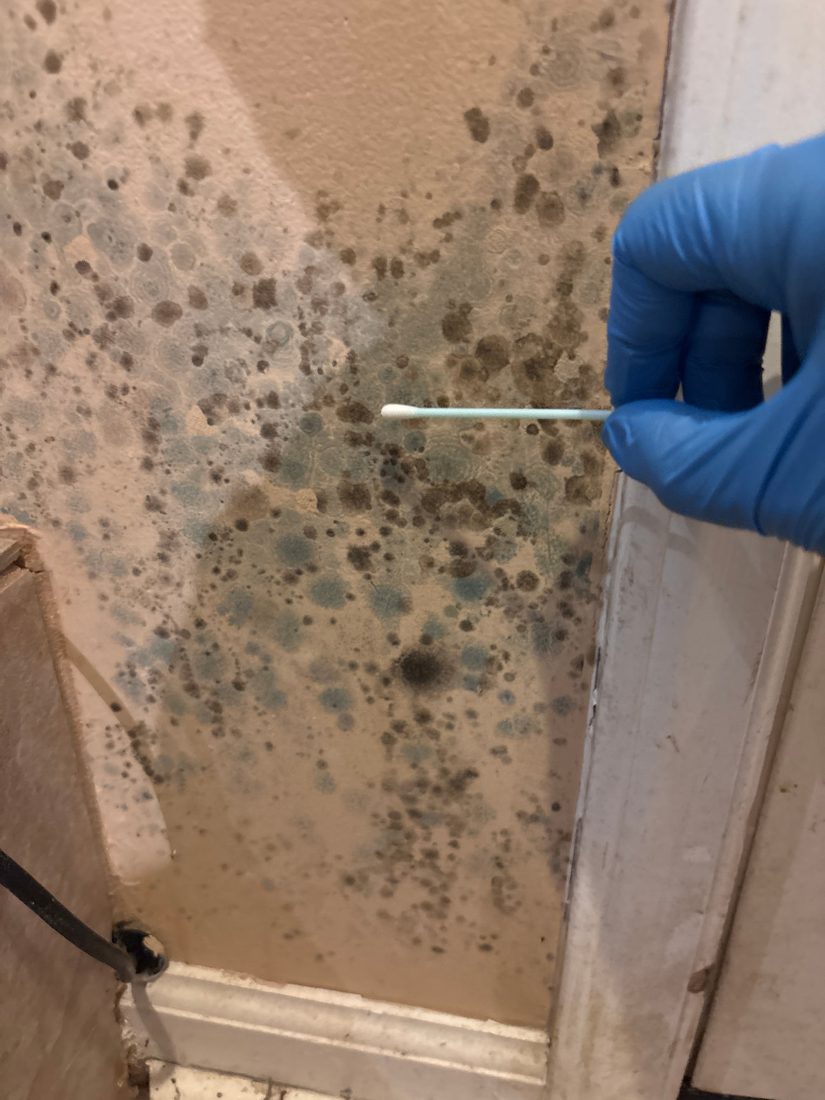
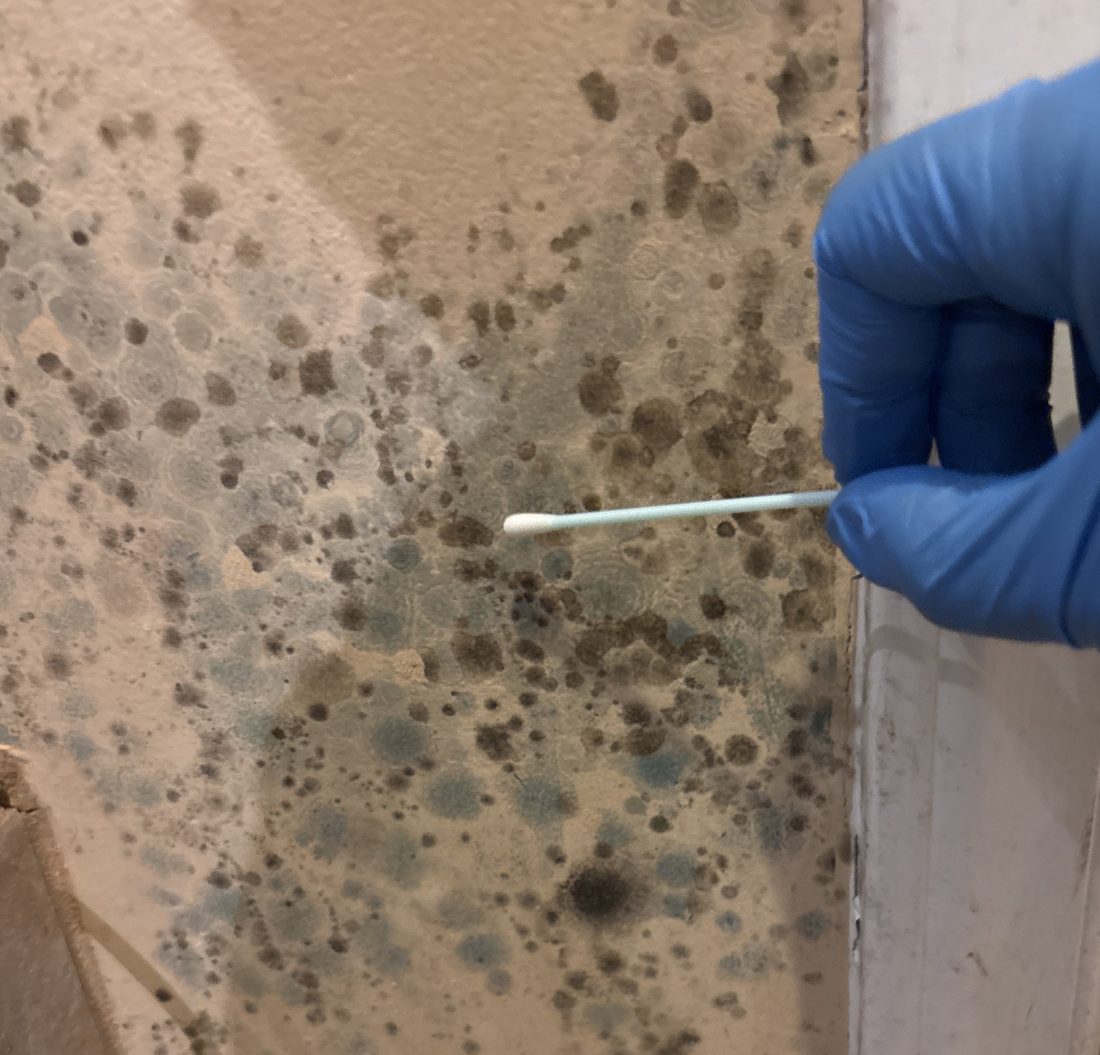
A home can pass a standard inspection and still have serious indoor air quality problems. Mold growth behind walls, moisture intrusion under floors, and chemical off-gassing from materials are invisible to a visual inspection. Only an IAQ professional is certified to determine whether suspect microbial growth is actually mold, rather than assuming based on appearance alone.
Standard home inspections focus on structural defects, code compliance, and major systems. They do not evaluate indoor air quality, test for mold, measure moisture intrusion, or identify odor sources. Health-related issues that affect the air you breathe are outside the scope of a general inspection.
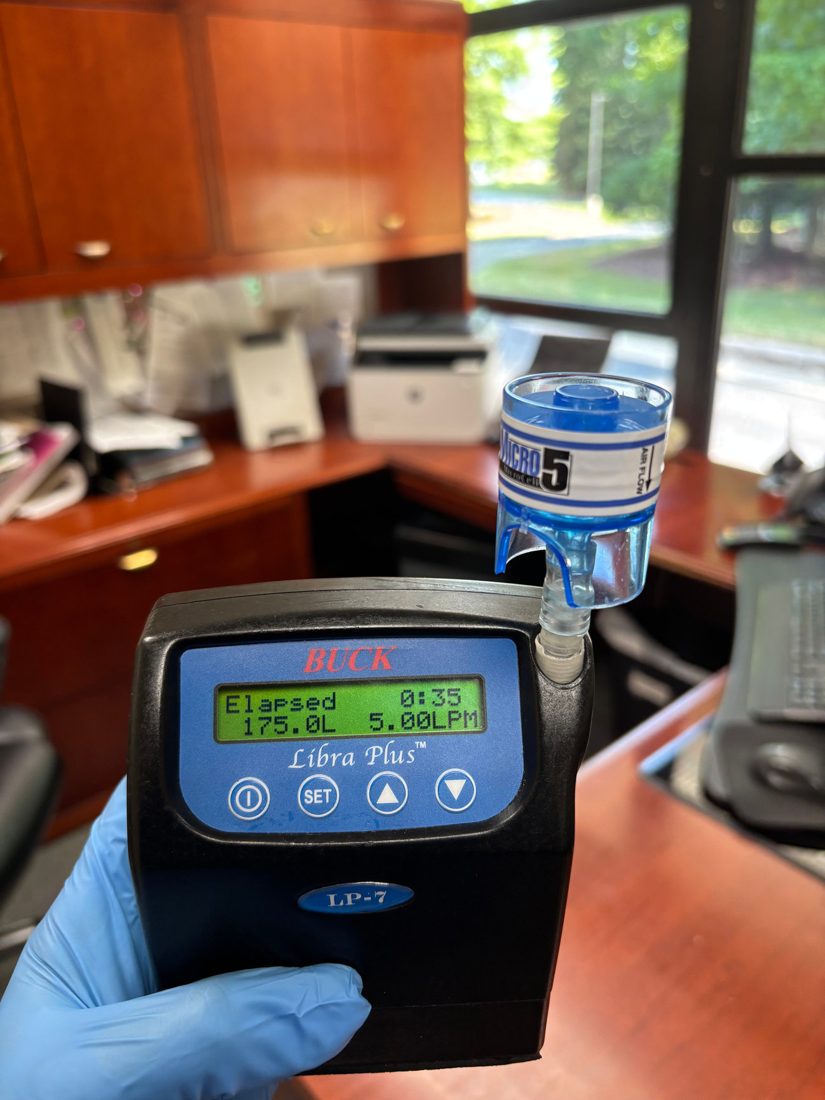
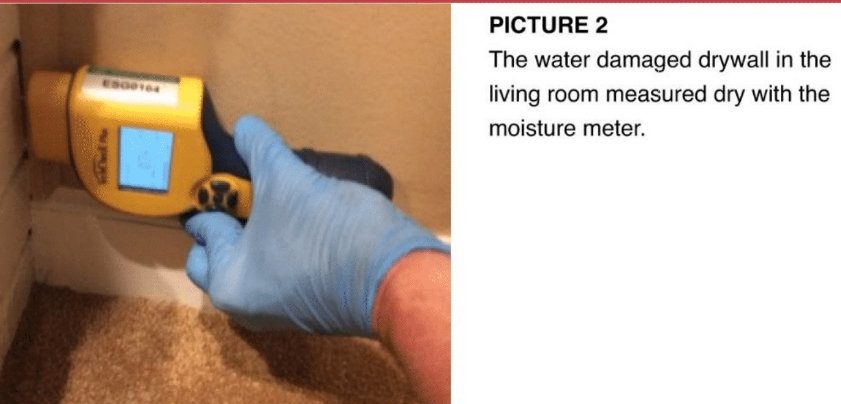
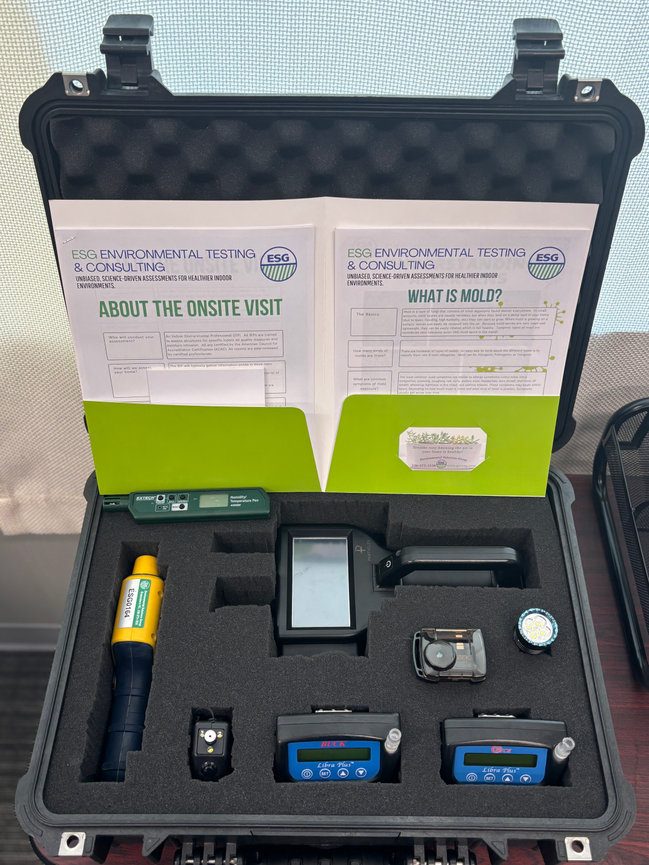
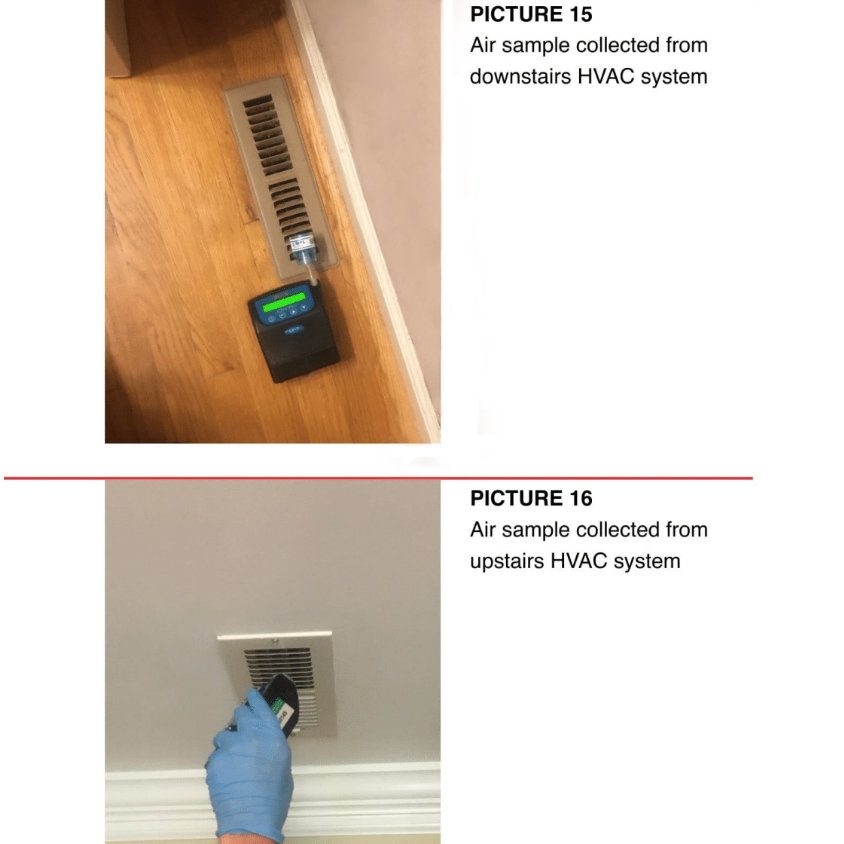
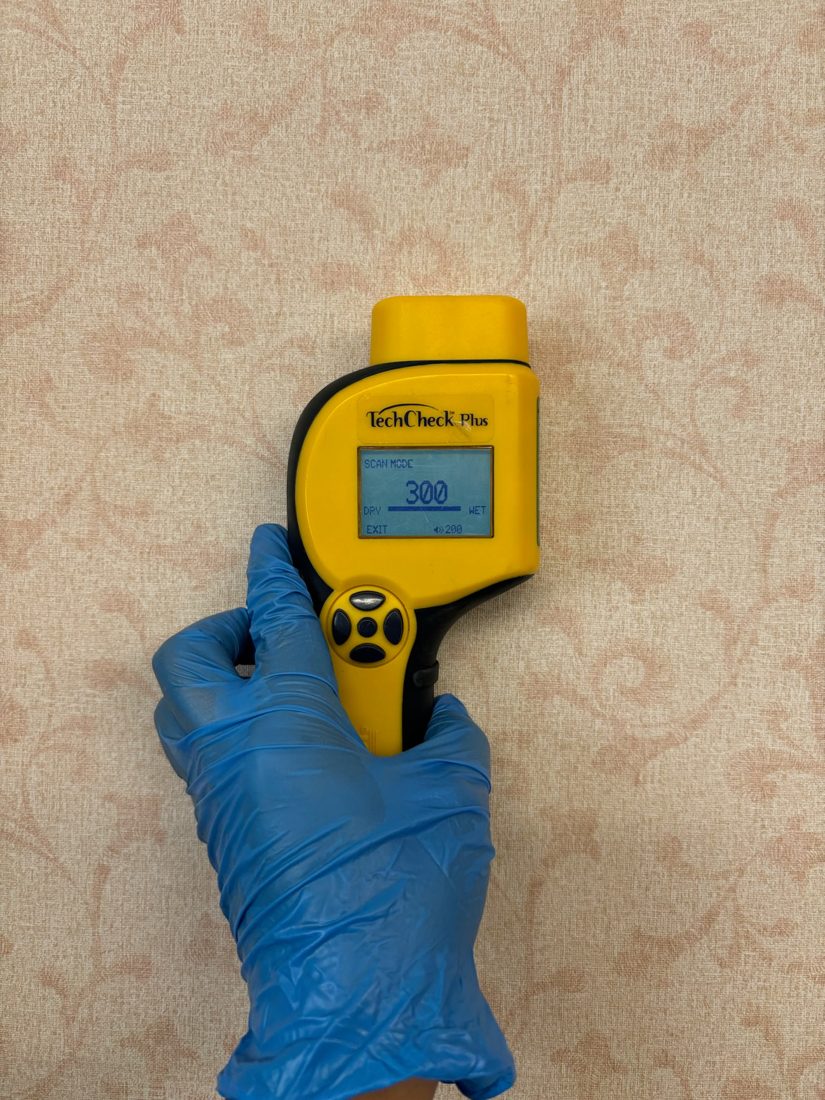
ESG uses advanced equipment to evaluate mold, moisture, odors, and air quality red flags that direct next steps. You receive a written report approximately one week after payment, with enough time to review findings, line up contractor quotes, and make a confident decision before your due diligence deadline.
ESG's real estate IAQ assessment evaluates conditions connected to health concerns, odors, mold, and moisture intrusion, identifying potential hidden problems that may be affecting the air quality of the home you're considering purchasing.
When ESG identifies mold, moisture, or other issues in a home you're considering purchasing, we have zero financial stake in the remediation. We don't refer contractors for a fee, we don't perform cleanup work, and we don't profit from the size of the problem we find. Our only product is accurate information.
This independence matters in real estate. Some inspection and testing firms have relationships with remediation contractors, creating incentives to find (or overstate) problems. ESG maintains a referral list based strictly on non-biased, industry-standard qualifications so that if you need contractor guidance, it's grounded in professional standards like the ANSI/IICRC S520, not referral economics.
ESG recommends calling as soon as your purchase contract is signed. The earlier you schedule, the more time you have to review findings, get contractor quotes, and make confident decisions before your due diligence window closes.
Schedule Your AssessmentDue diligence windows are short. ESG's process is designed to give you maximum time to review findings, consult contractors if needed, and make an informed decision before deadlines close.
Call ESG as soon as your purchase contract is signed. This maximizes the time available for assessment, reporting, and, if issues are found, contractor estimates, all within your due diligence window.
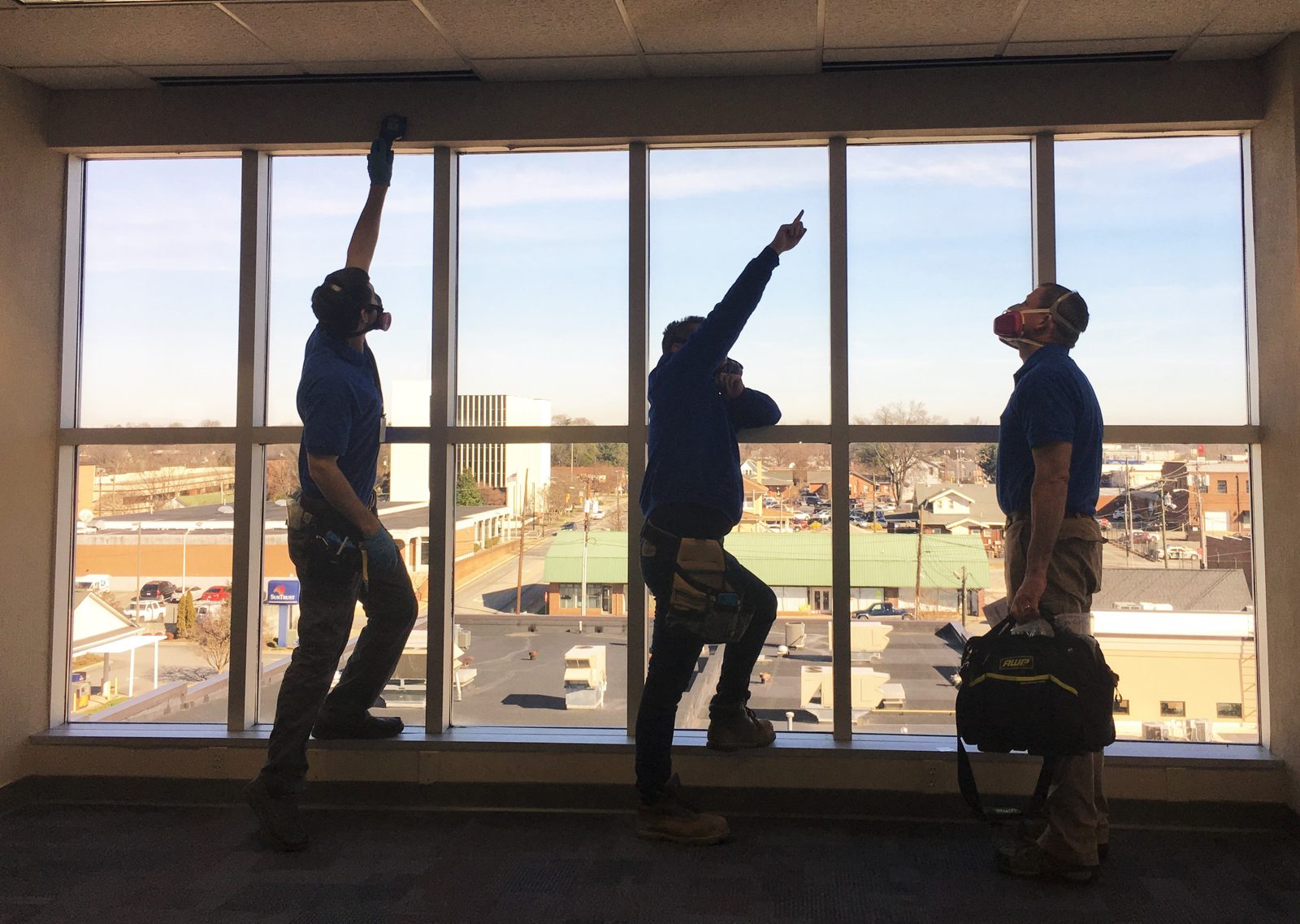
ESG visits the property with advanced equipment to evaluate mold, moisture intrusion, odors, and air quality conditions. The home should be undisturbed before testing: avoid cooking, smoking, cleaning, open windows, or walkthroughs during the assessment.
Samples are submitted for laboratory analysis. ESG delivers a written report approximately one week after payment, detailing findings, air quality red flags, and professional recommendations for next steps.
Use ESG's findings to negotiate repairs, request contractor estimates, or make a fully informed decision to proceed or walk away. If widespread issues are found, ESG advises obtaining all quotes before due diligence ends, or requesting an extension.
Focuses on conditions that may relate to health, odors, mold, and moisture, using data-driven methods that reflect the current state of indoor air quality and detect issues that may not be visible to the eye.
Primarily identifies code violations and major building defects through visual inspection. Health-related conditions, especially mold, moisture, and air quality, are generally outside its scope.
ESG has provided independent environmental testing from Greensboro, NC since 2002. Every real estate assessment is built on the same standards.
Yes. They serve different purposes. A home inspection focuses on code compliance and major building defects through visual inspection. An IAQ assessment targets health-related concerns like odors, mold, and moisture using advanced equipment and laboratory analysis. Only a certified IAQ professional can determine whether suspect microbial growth is actually mold.
Call immediately after your purchase contract is signed. This gives ESG more time to assess the property and prepare your findings, and gives you more time to review recommendations and, if needed, line up qualified contractors for quotes before your due diligence deadline closes.
To avoid inaccurate readings, the home should have minimal disturbance before testing. Avoid high activity and movement in the home, cooking, smoking, showering, cleaning, laundry, open windows or doors, spraying airborne products like hairspray, and conducting walkthroughs or other inspections during the test period.
Start researching certified remediation contractors right away and plan for quotes to take time, since it can take weeks to schedule and receive estimates. Contractors can provide more accurate pricing after reviewing ESG's full written report. You may also need multiple specialists: remediation contractors, HVAC consultants, waterproofing professionals, or structural engineers.
No. ESG provides independent testing and assessment only. We do not perform remediation work and cannot provide cost estimates; that requires a quote from a licensed remediation contractor. ESG's written report gives contractors the detail they need to provide accurate pricing.
ESG recommends using remediators certified by the IICRC and following the ANSI/IICRC S520 Standard and Reference Guide for Professional Mold Remediation, the industry-recognized standard for professional mold remediation. ESG maintains a referral list based on these non-biased, industry-standard qualifications.

If you're under contract, the best time to schedule is now, so you have time to review findings, request contractor estimates if needed, and make confident decisions before your due diligence window closes.