Call us or book online. Every report peer-reviewed by two certified professionals.
336-373-1538Mold can begin forming in wet wood framing within 24 to 48 hours. ESG's new construction moisture and fungal testing helps builders identify problems early, document clean conditions, and protect projects from costly post-occupancy disputes.
The same moisture problem that costs hundreds of dollars to address during framing can cost tens of thousands to remediate after walls are closed. Third-party documentation at key construction phases gives builders defensible proof and buyers confidence.
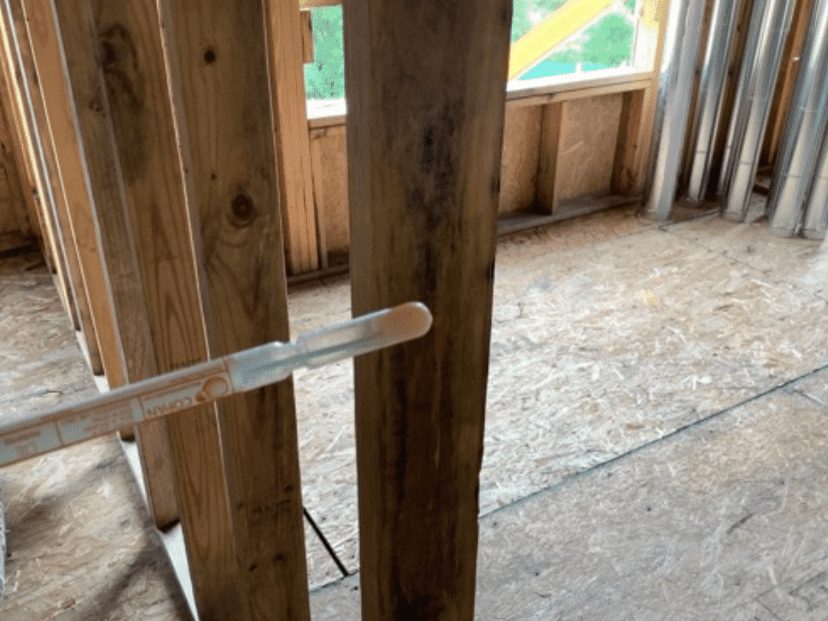
Wood framing above 18% moisture content can support fungal growth. Once walls are closed and the building is occupied, identifying and correcting the problem becomes expensive, disruptive, and legally complicated, especially without documentation of what conditions existed during construction.
ESG inspections at rough-in and pre-occupancy phases confirm moisture readings are within acceptable ranges and document the absence of problematic fungal growth. Builders receive a written report suitable for warranties, insurance records, and buyer disclosure, protection that lasts long after the project closes.
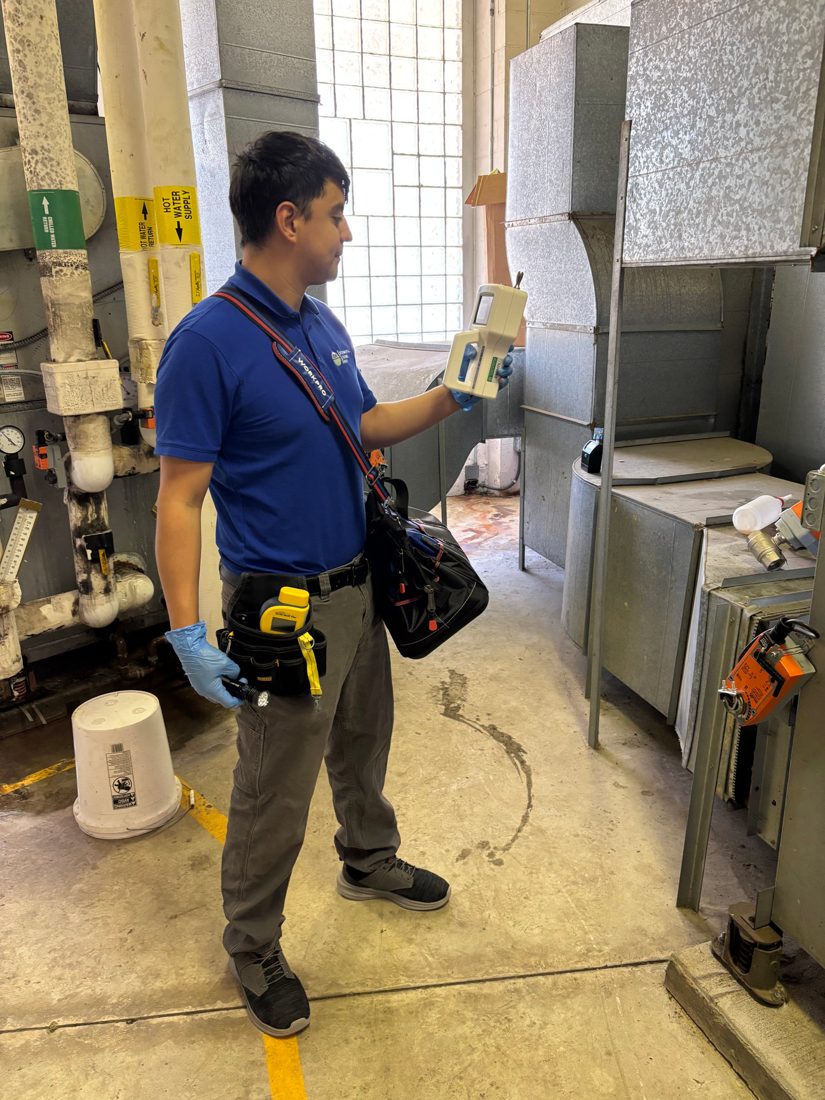
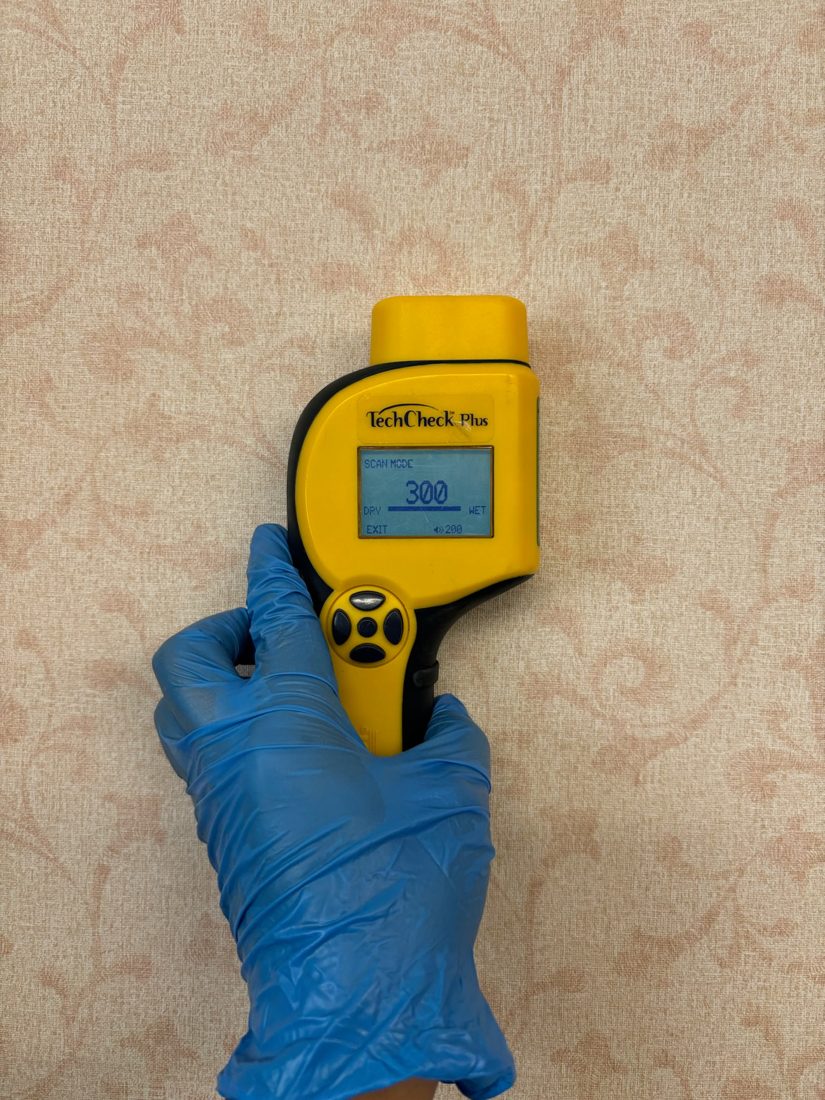
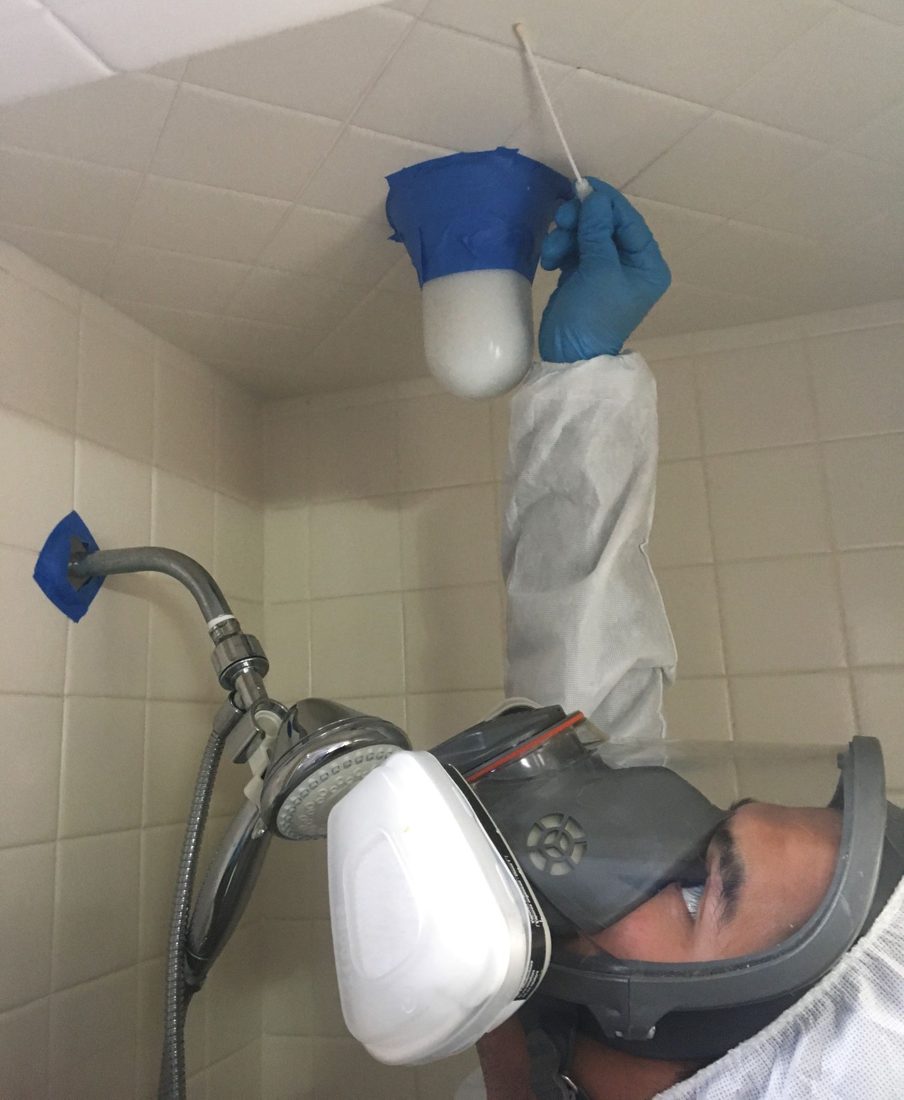
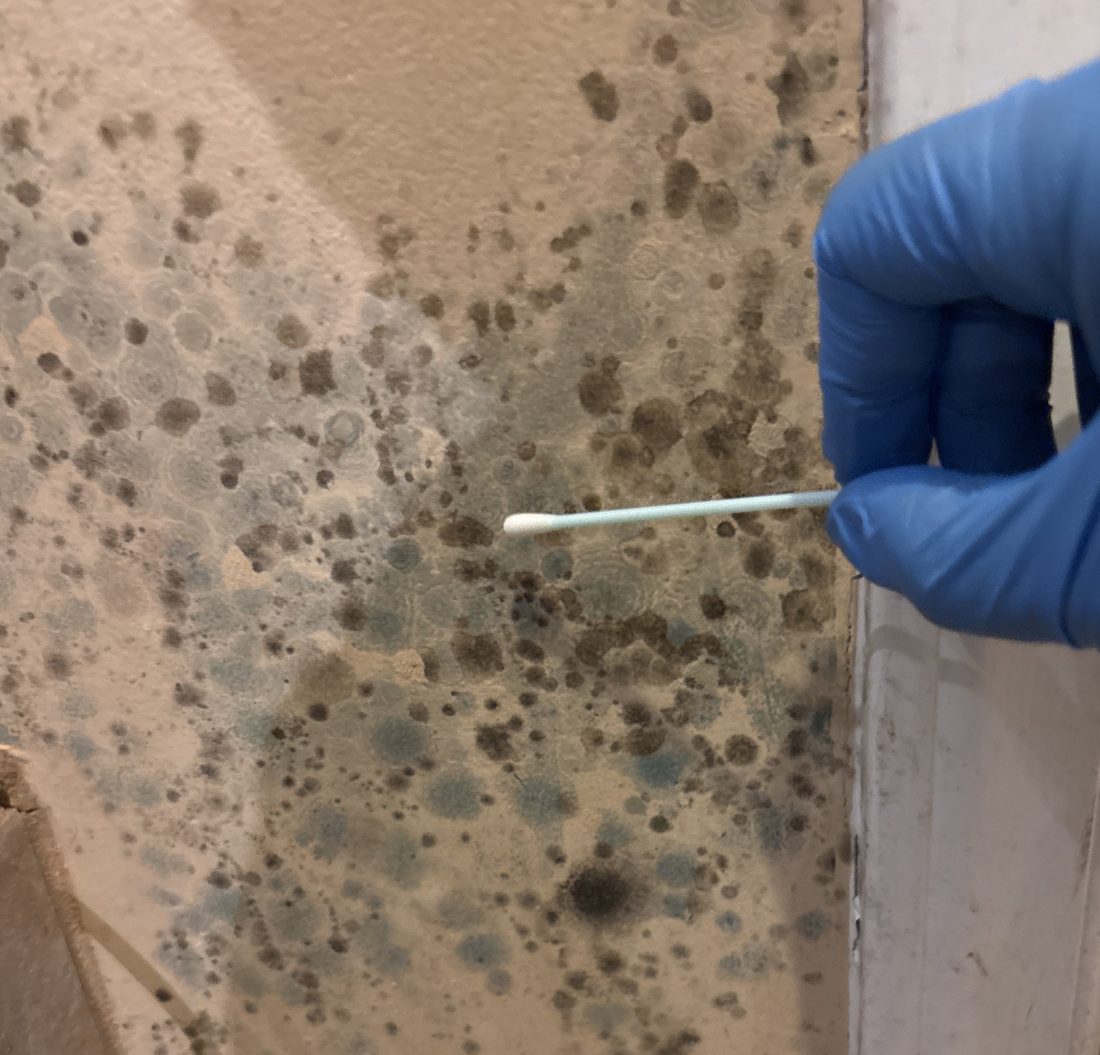
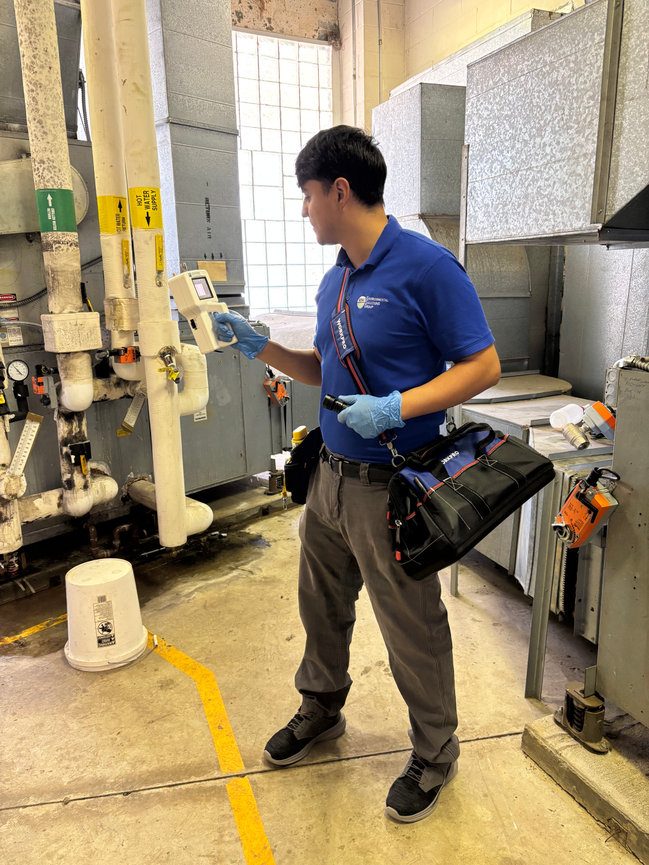
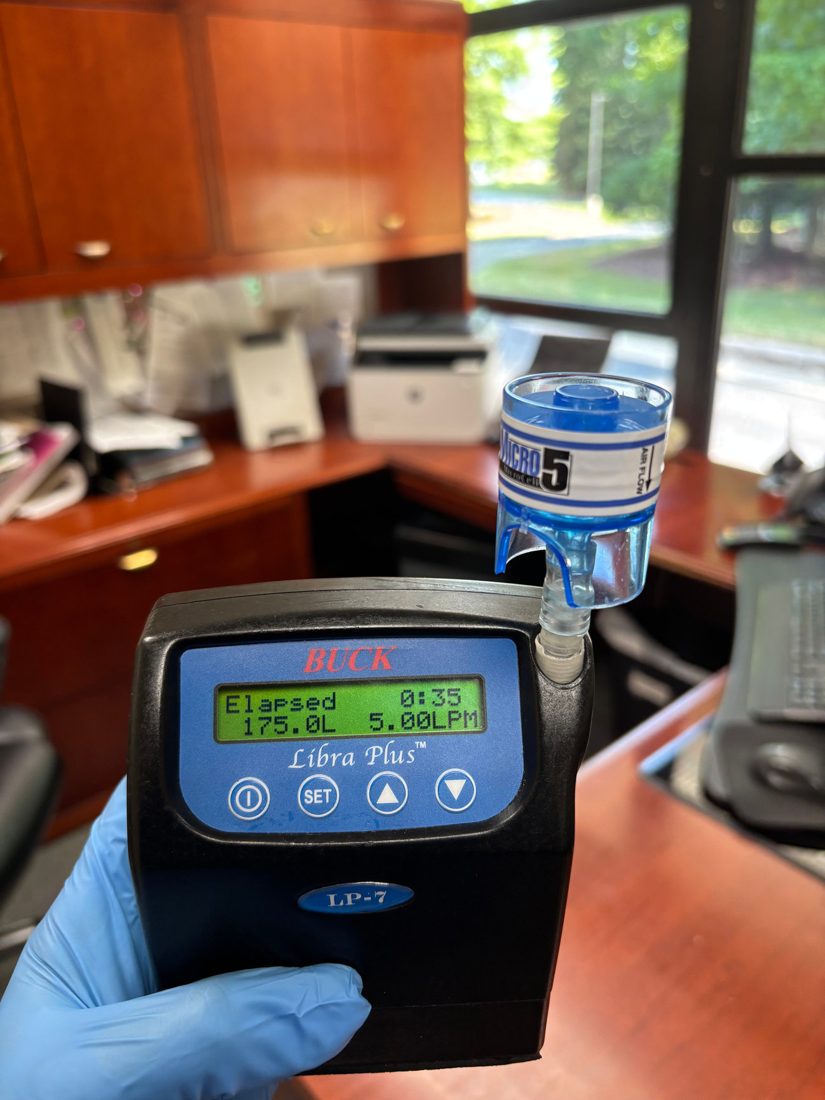
ESG technicians evaluate conditions that contribute to moisture and fungal problems, using professional moisture meters, visual inspection, and accredited laboratory analysis when samples are needed.
ESG is a third-party environmental testing firm. We test, we never remediate. That distinction matters enormously when documentation needs to stand up to scrutiny in a warranty dispute, insurance claim, or construction defect matter. Our reports are prepared using calibrated instrumentation, laboratory data, and detailed photographic evidence.
Our team has extensive field experience evaluating moisture intrusion, mold growth, and construction defects across residential, commercial, and institutional properties. We understand what builders need: clear findings, defensible methodology, and reports that are easy to present to buyers, insurers, and attorneys.
Early environmental monitoring during construction is far less expensive than remediation after occupancy, and our documentation provides credibility long after the project closes.
Schedule Site TestingESG recommends evaluating projects at two key stages to catch moisture issues when they're still inexpensive to correct and document clean conditions before the building is occupied.
Contact ESG to coordinate timing around your construction schedule. We discuss project scope, phase milestones, and documentation goals so testing happens at the most useful points in the build.
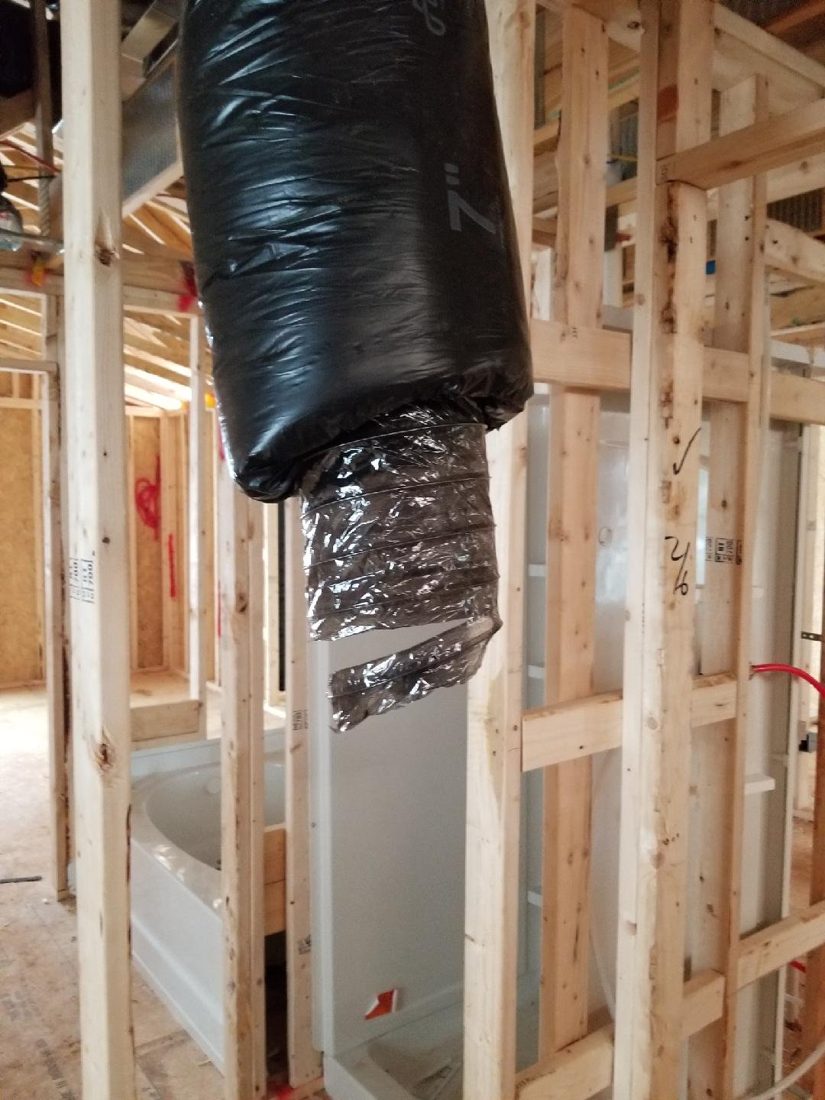
While framing is exposed, ESG verifies moisture levels are within acceptable ranges and inspects for visible fungal growth. Issues caught here can be corrected before drywall installation.
After the building is dried-in, enclosed, and conditioned with HVAC, ESG confirms moisture conditions are stable, materials have dried appropriately, and fungal ecology is consistent with normal new construction.
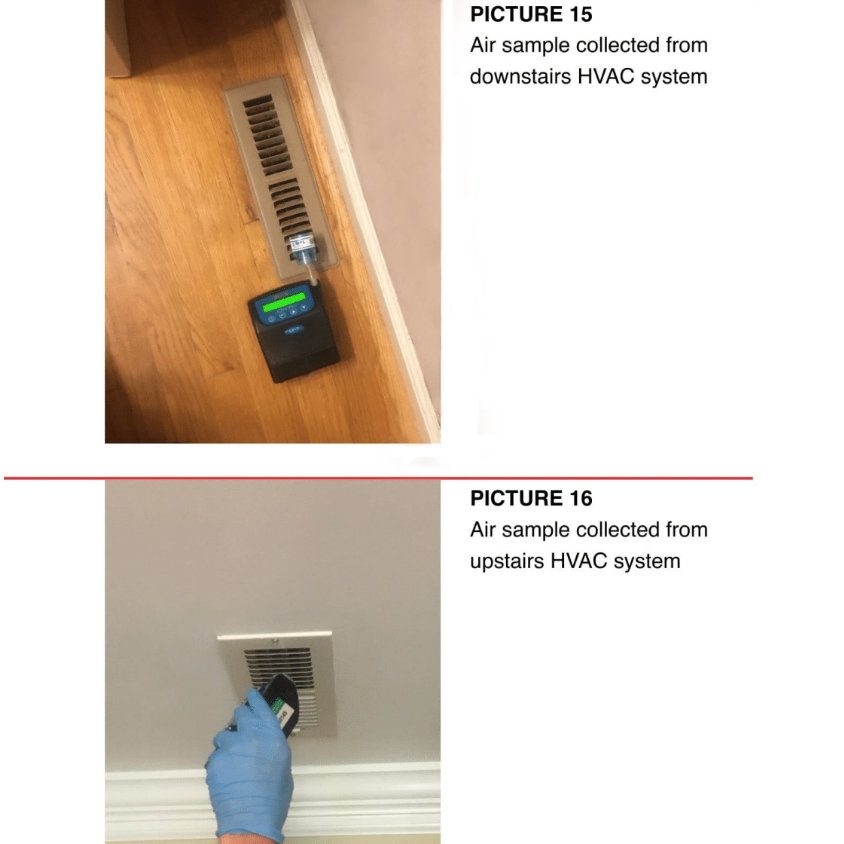
Any collected samples go to an accredited laboratory. You receive a comprehensive written report (including moisture readings, observations, lab results, and recommendations) ready for builder warranties, insurance files, or buyer disclosure.
Third-party environmental records demonstrate that proper moisture management was followed and conditions were monitored by qualified professionals at key construction phases.
When a post-occupancy mold complaint surfaces, the absence of construction-phase environmental records forces builders into a defensive position with no objective baseline to reference.
ESG has provided independent environmental testing from Greensboro, NC since 2002. Every construction engagement is built on the same standards.
Wood moisture levels above approximately 18% can allow fungal growth to begin. Standing water or wet materials can allow microbial growth to begin in just 24 to 48 hours. ESG uses professional moisture meters to document readings and confirm materials are within acceptable ranges before enclosure.
ESG recommends two inspection phases: Phase 1 at rough-in (while framing is exposed and corrections are easy), and Phase 2 after the building is dried-in, enclosed, and conditioned with HVAC. Early engagement means any issues are identified before they become expensive post-occupancy problems.
No. ESG tests and assesses only; we never remediate. This is a core principle: our independence ensures our findings are objective, with no financial incentive tied to the outcome. If fungal growth is identified, we document it and provide clear guidance so you can engage a qualified, separate contractor to address it.
Reports document moisture conditions at tested locations, any observed fungal growth or absence thereof, laboratory test results if samples were collected, and recommendations for corrective action when needed. Reports are prepared to be useful for builder warranties, quality control programs, insurance documentation, and legal protection.
Yes. In addition to testing, ESG can provide consultation on site moisture management, including guidance on storing lumber off the ground, protecting materials from rain, removing standing water promptly, using drying equipment after wet events, and monitoring moisture levels before installing finishes.
Independent environmental inspections demonstrate that proper moisture management practices were followed and that conditions were monitored by qualified professionals. This documentation can reduce risk, support insurance claims, and is built to stand up to scrutiny in construction defect or buyer disputes. Call 336-373-1538 to discuss your project.

Protect your project before the walls close. Early testing is far less expensive than post-occupancy remediation, and the documentation lasts as long as the building does.