Comprehensive Environmental Investigation

Mold Assessment: Find the Source, Not Just the Symptom

ESG's mold assessments go beyond sample collection. We use moisture meters, thermal imaging, and building science expertise to determine why mold is growing, and what it will take to fix it permanently. We assess. We never remediate.

Independent Testing No Conflict of Interest Certified Inspectors
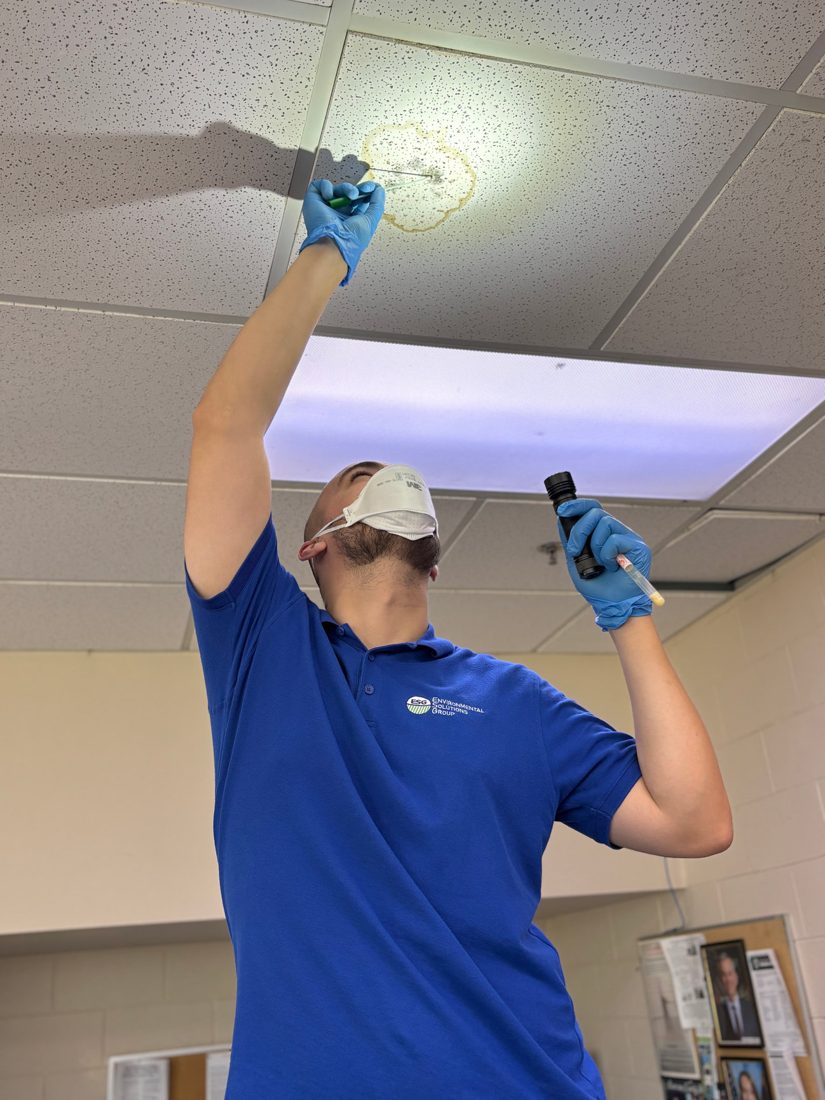
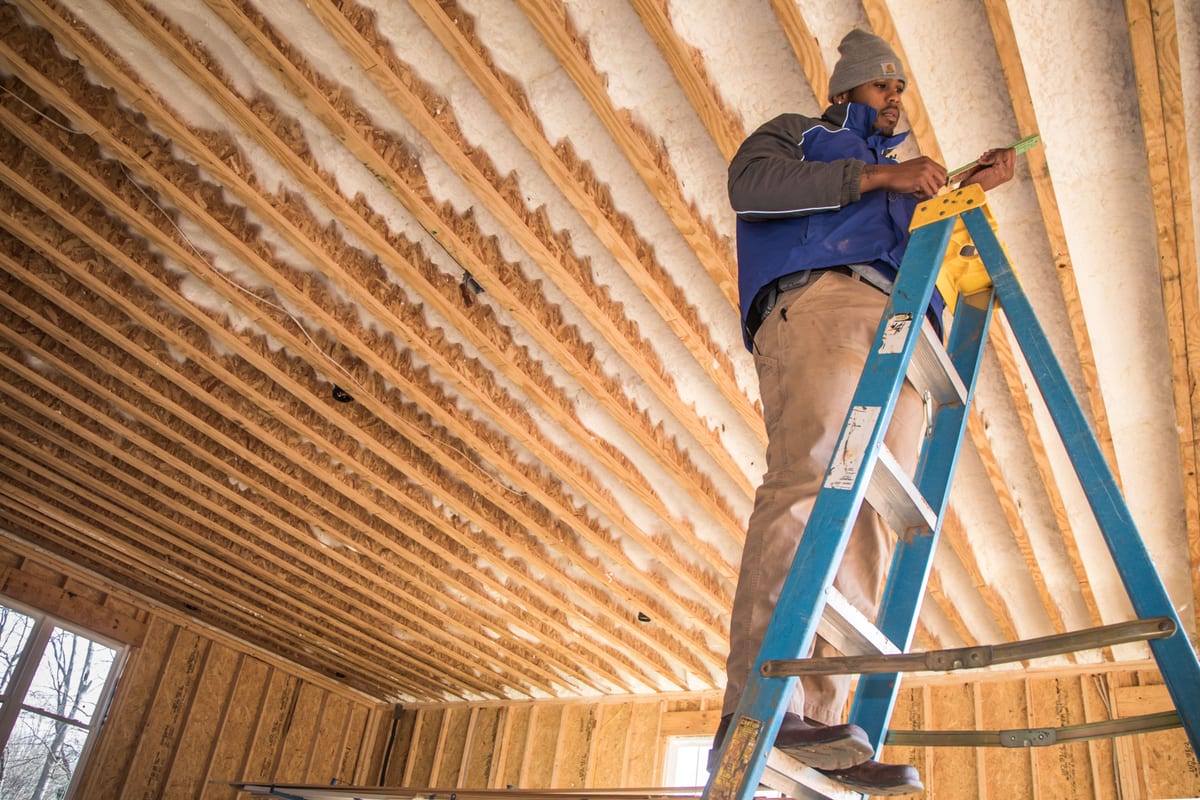
ESG inspector examining a ceiling for moisture and mold during an assessment in Greensboro, NC

From Hidden Moisture to a Concrete Remediation Plan

Mold is almost always a moisture problem. Without identifying the source, cleanup efforts are temporary. ESG's assessment finds the root cause so repairs actually last.

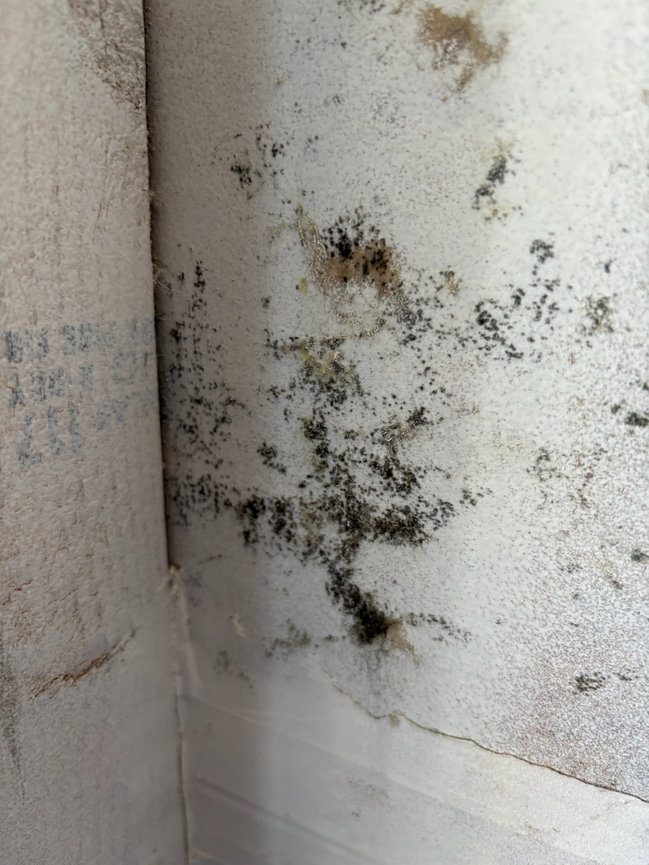
Water damage around a door frame pointing to a hidden moisture source
Before Assessment

Mold Keeps Coming Back

Surface cleanup without identifying the moisture source leads to recurring mold growth. The underlying leak, condensation issue, or humidity problem continues to feed new growth.

Thermal imaging scan revealing hidden moisture inside a wall
After ESG Assessment

Source Identified, Remediation Protocol in Hand

A comprehensive written report identifies moisture sources, maps the extent of contamination, and provides a remediation protocol, so the right contractor does the right work.

A Full Building Investigation, Inside and Out

ESG's mold assessments are conducted by certified Indoor Environmental Professionals using multiple diagnostic tools, combining visual inspection, instrumented measurements, and laboratory sampling when needed.

Detailed visual inspection of interior and exterior building conditions, identifying water stains, visible growth, and moisture intrusion indicators
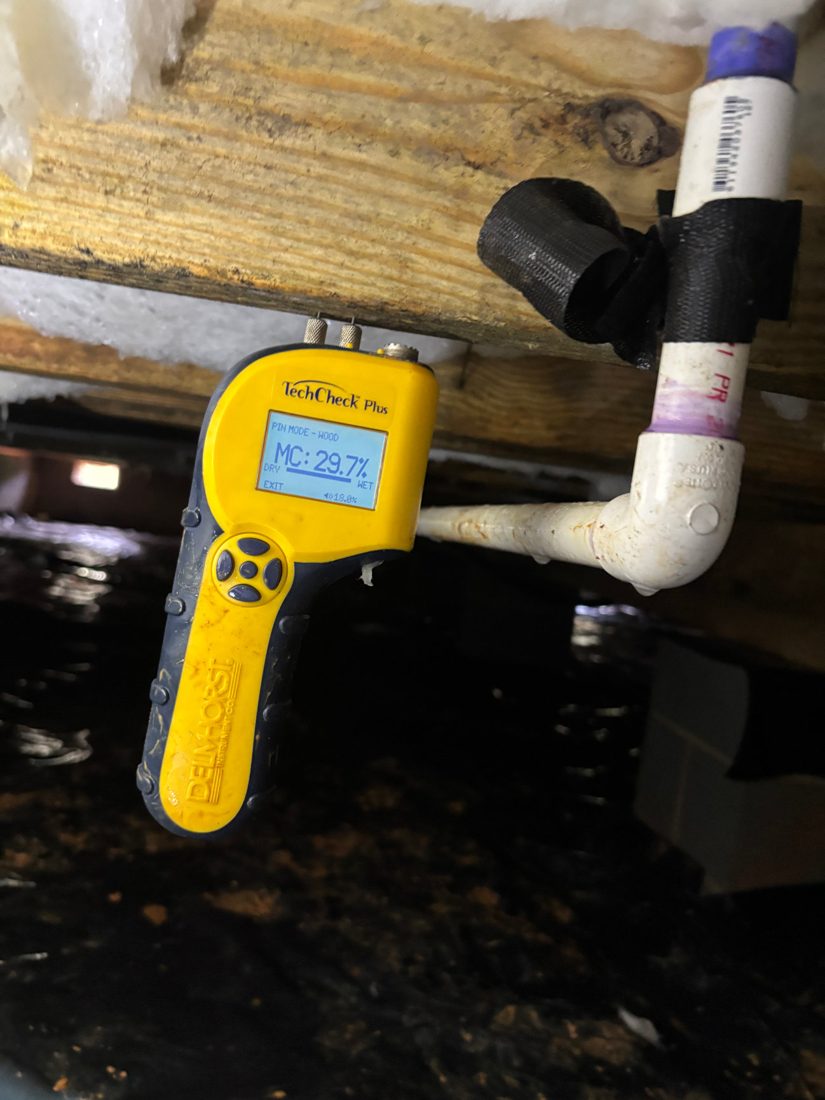
Moisture meter readings within building materials to detect elevated moisture behind walls, floors, and ceilings
Thermal imaging scans to locate hidden moisture not visible to the naked eye
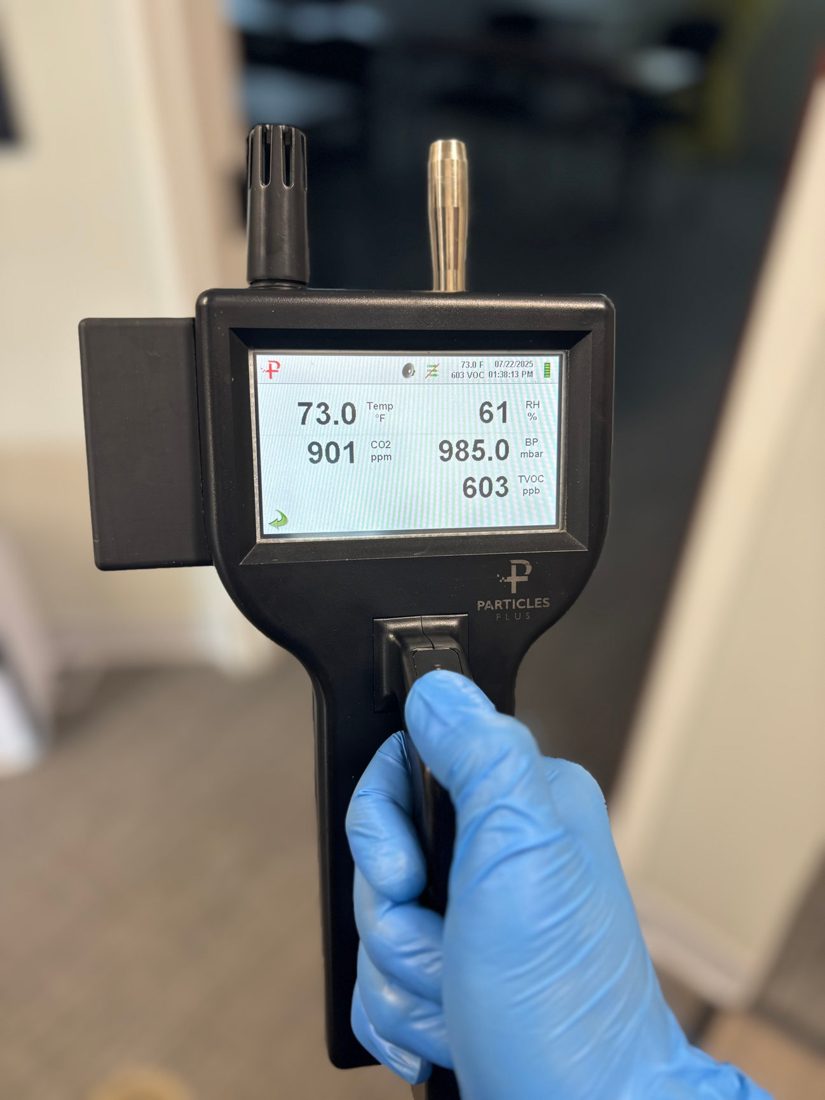
Humidity, temperature, and environmental measurements to evaluate conditions supporting mold growth
Air and surface sampling when needed, analyzed by accredited third-party laboratories
Written remediation protocol outlining correct scope and steps, developed in accordance with ANSI/IICRC S520 standards
Moisture meter reading being taken on an interior wall
Infrared thermometer checking surface temperature during an ESG assessment
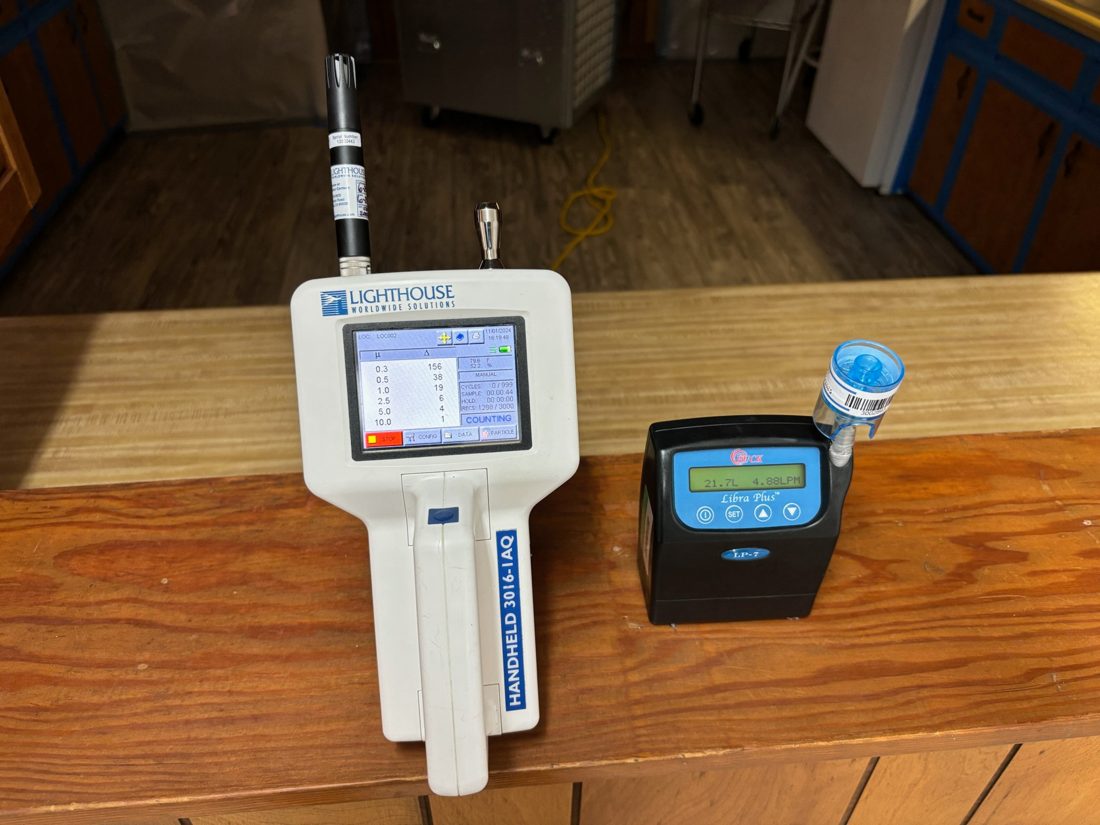
Air sampling pump collecting a sample during a building assessment
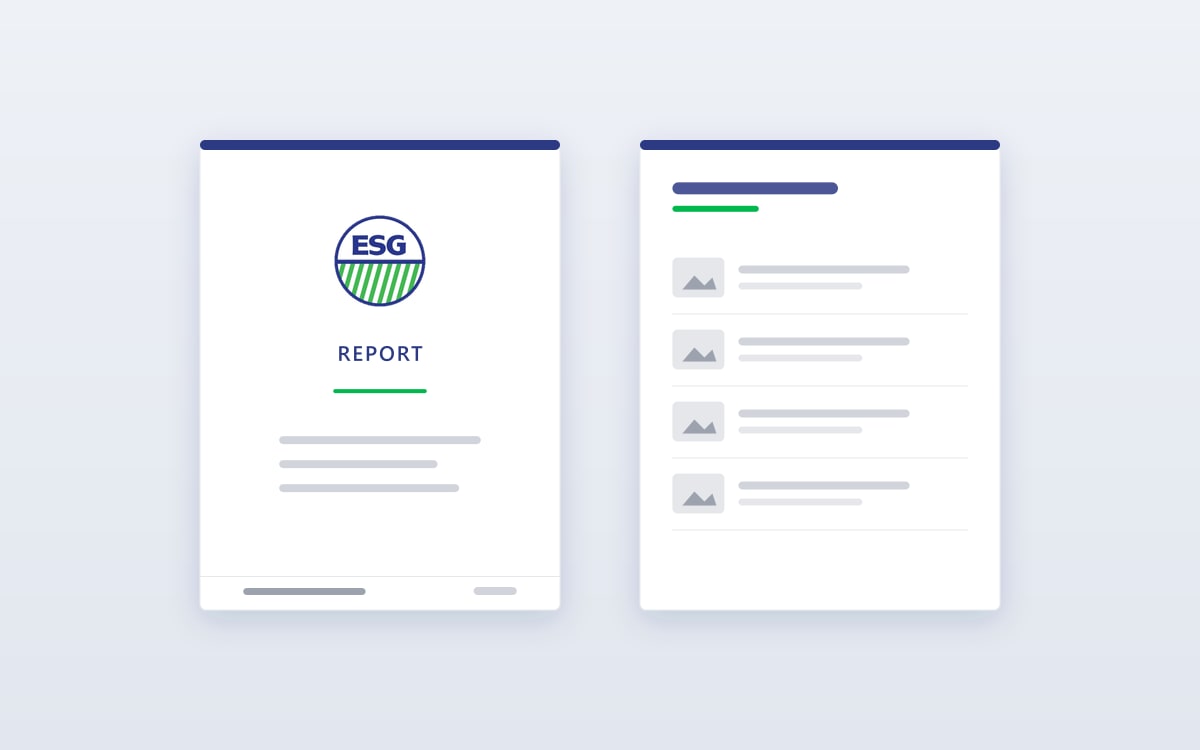
Moisture findings page from an ESG written assessment report
Why ESG

Independent Assessment With No Remediation Conflict

Environmental Solutions Group has been providing building science and environmental consulting services for 23+ years, since 2002. Unlike companies that assess and remediate, ESG does only one thing on the assessment side: give you the truth about what is happening in your building.

Because we never perform remediation work, we have no financial interest in the outcome of our findings. Our role is to identify the problem, document it scientifically, and provide a clear remediation protocol, so you can hire any qualified contractor with confidence.

ESG can also perform post-remediation verification (PRV) testing after cleanup is complete, providing independent confirmation that the work was done correctly according to ANSI/IICRC S520 standards.

Schedule Your Assessment
2002
Year ESG was founded
IEP
Certified Indoor Environmental Professionals
S520
ANSI/IICRC standard guiding ESG protocols
0
Remediation services performed: zero conflict of interest

How a Mold Assessment Works

A thorough four-step investigation, from initial consultation through a written report with remediation guidance.

ESG professional reviewing property documents during an initial consultation
1

Schedule

Call 336-373-1538 or submit a request online. We'll discuss your concerns, review the property history, and determine the appropriate scope for the assessment.

Thermal imaging of plumbing lines during an on-site ESG investigation
2

On-Site Testing

A certified IEP conducts a full building investigation: visual inspection, moisture readings, thermal imaging, environmental measurements, and air or surface sampling as needed.

Photo: samples packaged for accredited lab analysis
3

Lab Analysis

Any collected samples are sent to accredited third-party laboratories for analysis. Results are integrated with on-site measurements to build a complete picture of the contamination.

Readings page from a completed ESG written assessment report
4

Clear Report

You receive a comprehensive written report identifying moisture sources, contamination extent, and a remediation protocol. An ESG professional walks you through every finding.

Mold Assessment vs. Mold Testing

Mold Assessment: The Full Investigation

A mold assessment is a comprehensive building investigation that identifies why mold is growing and what it will take to fix it, not just whether it exists.

  • Identifies the moisture source driving mold growth
  • Maps how far contamination has spread, including behind walls
  • Provides a written remediation protocol per IICRC S520
  • Supports post-remediation verification (PRV) testing

Mold Testing Alone: Its Limits

Mold testing measures what is in the air or on surfaces. It is valuable for documentation and baseline data, but it does not diagnose building problems or guide repairs.

  • Does not locate the source of moisture
  • Does not evaluate how far contamination has spread
  • Does not include a remediation protocol
  • Without finding the source, mold will recur after cleanup

Why Clients Trust ESG

Independence is the foundation of every assessment report we deliver. Here is what stands behind ESG's work.

Independent environmental testing for 23+ years, since 2002
We test, we never remediate: findings are never influenced by cleanup work
Every report peer-reviewed by two certified professionals
Credentialed team: CIEC, CMR, CIH, IICRC, EPA Lead-Safe, NC licensed lead inspector
BBB Accredited Business with an A+ rating
Serving NC, VA and TN from our Greensboro, NC office
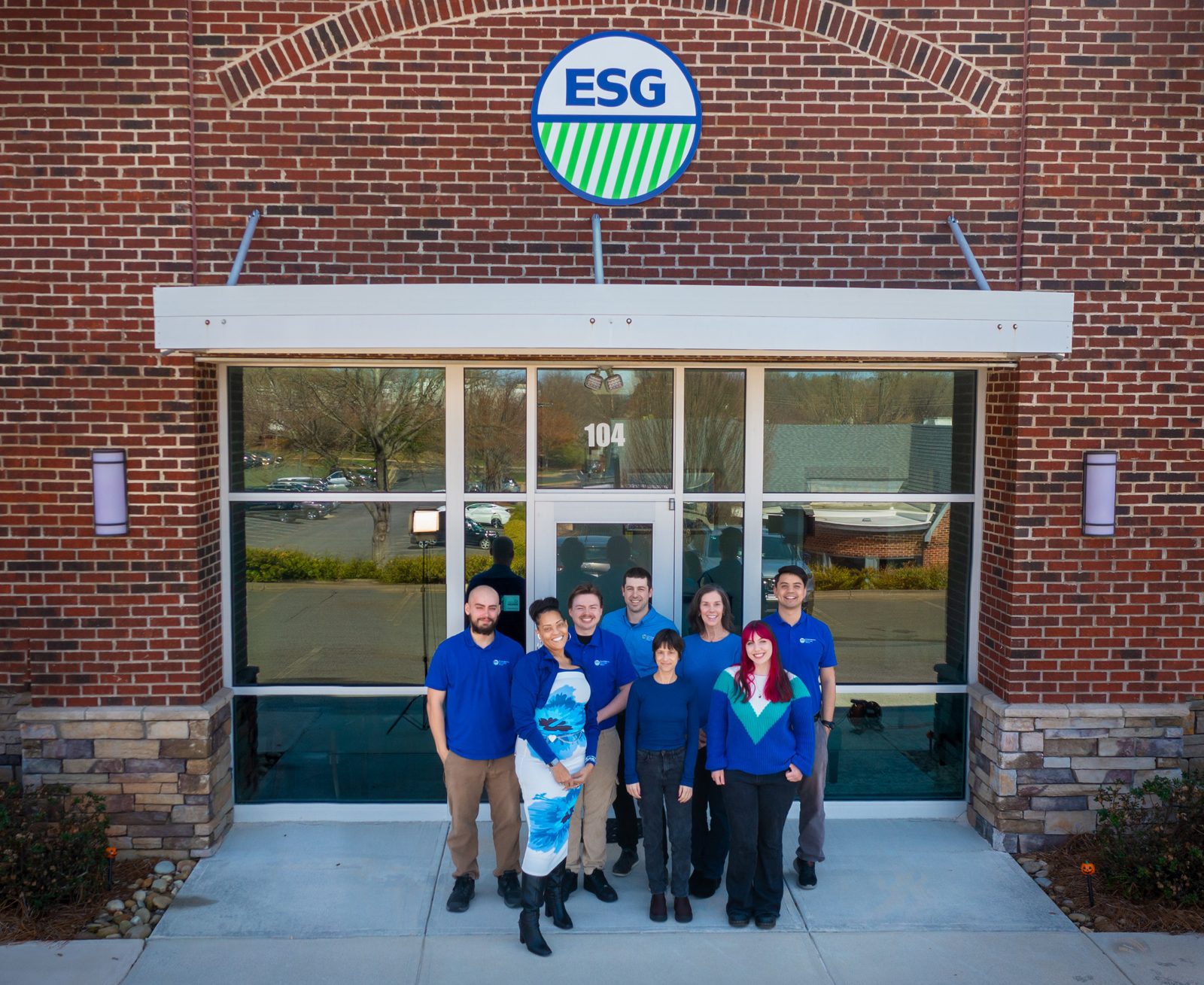
The Environmental Solutions Group team at their office in Greensboro, NC

Mold Assessment: Frequently Asked Questions

What is the difference between a mold assessment and mold testing?

Mold testing collects samples to identify what types of mold are present and at what levels. A mold assessment is a full building investigation: it answers why mold is growing, where the moisture is coming from, how far contamination has spread, and what repairs are required. Testing may be included as part of an assessment.

Does ESG perform the mold remediation after the assessment?

No, and that is a critical distinction. ESG provides only independent assessments and consulting. We never perform remediation, which means our findings are completely unbiased. We develop the remediation protocol and can verify completion through post-remediation verification (PRV) testing, but the cleanup itself is done by a contractor of your choosing.

What tools does ESG use during a mold assessment?

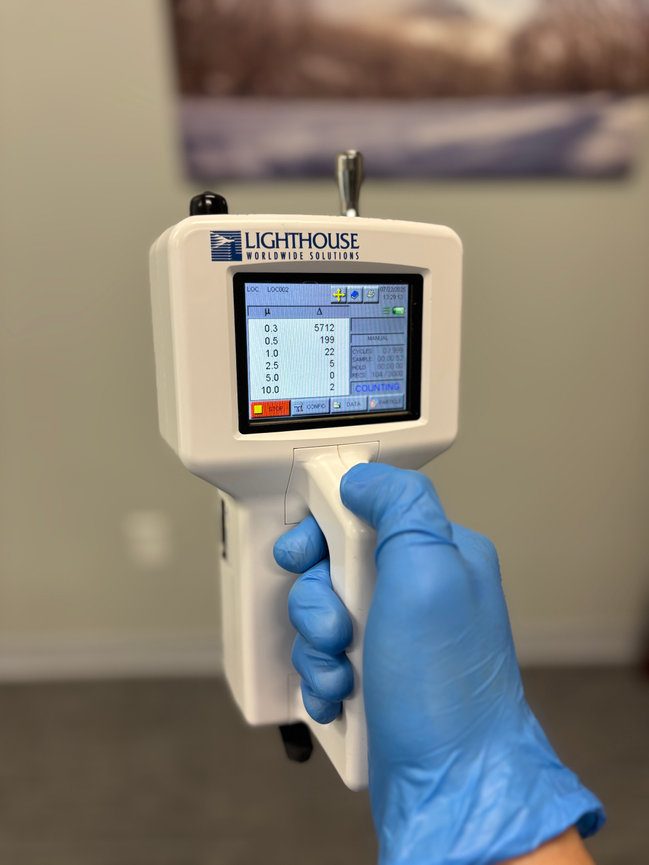
Our assessments use moisture meters to measure water content inside building materials, thermal imaging cameras to locate hidden moisture behind walls and ceilings, humidity and temperature instruments, and particle monitoring equipment. Air and surface samples are collected when needed and analyzed by accredited third-party laboratories.

What does a remediation protocol include?

When remediation is necessary, ESG provides a written remediation protocol that outlines the proper scope of cleanup, containment requirements, removal procedures, and clearance criteria, developed in accordance with ANSI/IICRC S520 mold remediation guidelines. This document guides contractors and ensures the work is done correctly.

When should I schedule a mold assessment vs. mold testing?

If you need basic documentation about mold presence (for a real estate transaction, insurance claim, or baseline understanding), mold testing may be sufficient. If mold keeps recurring, you suspect a larger moisture problem, you experienced water damage, or you need to understand the full scope before remediation, a comprehensive mold assessment is the right service.

Can ESG verify that remediation was completed correctly?

Yes. After remediation work is completed, ESG can perform post-remediation verification (PRV) testing to confirm that mold levels have been reduced to acceptable levels and that the remediation contractor completed the work according to the protocol. This independent clearance testing protects your investment and documents a successful outcome.

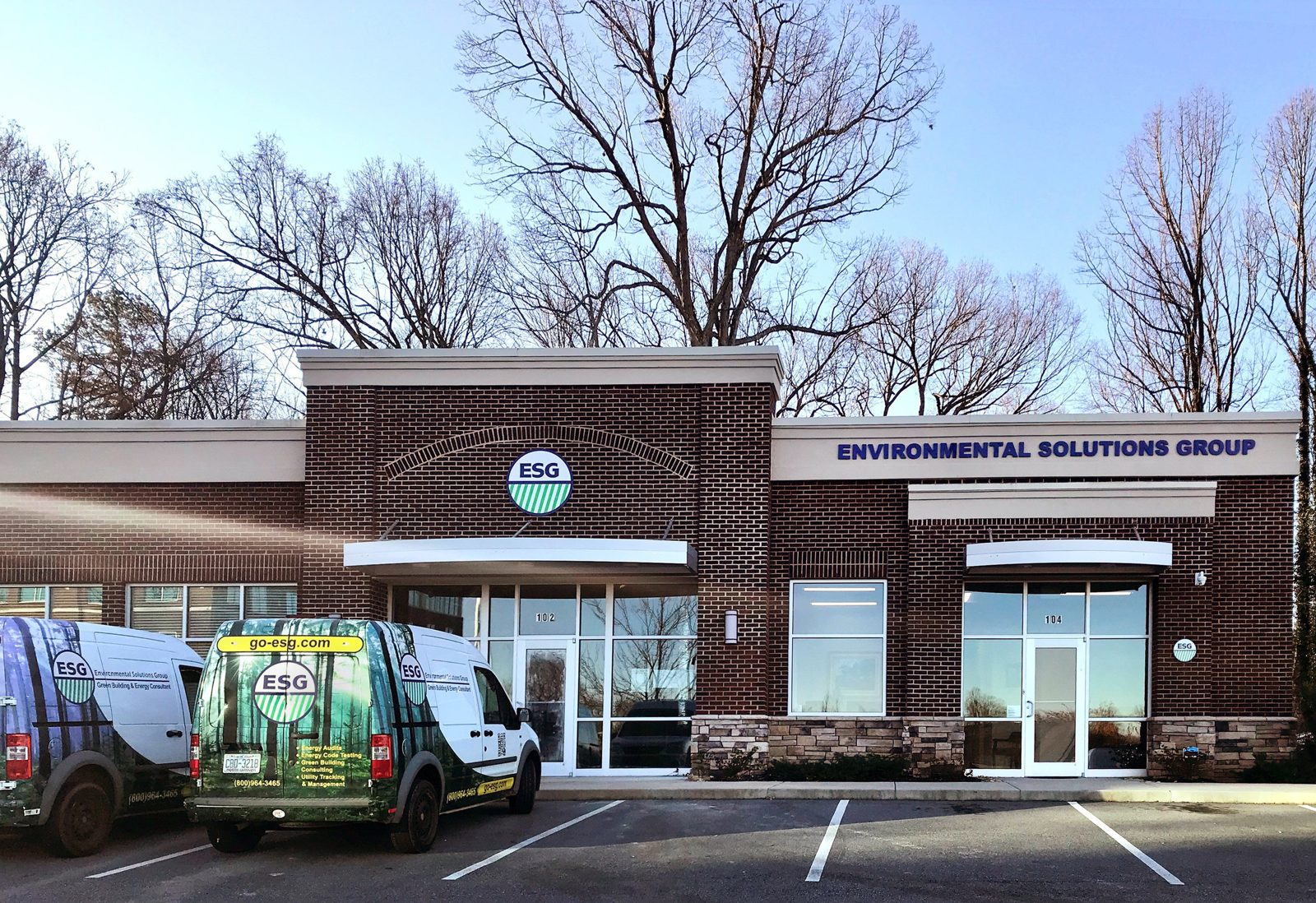
Exterior of the Environmental Solutions Group office building in Greensboro, NC
Certified inspectors. Peer-reviewed methods. Honest answers.

Schedule Your Mold Assessment

Stop guessing. Find the source. ESG's certified, independent assessments give you the building science data you need to make informed decisions and fix the problem for good.

Call 336-373-1538 · Environmental@go-esg.com