Storm, Flood and Hurricane Response

After the storm, know what the water left behind

Flooding and wind-driven rain leave moisture inside walls, floors and framing long after the cleanup is done. ESG provides independent post-storm moisture and mold testing across NC, VA and TN, so your repair decisions rest on data instead of guesswork.

Independent since 2002 Council-certified staff We test, we never remediate Serving NC, VA and TN
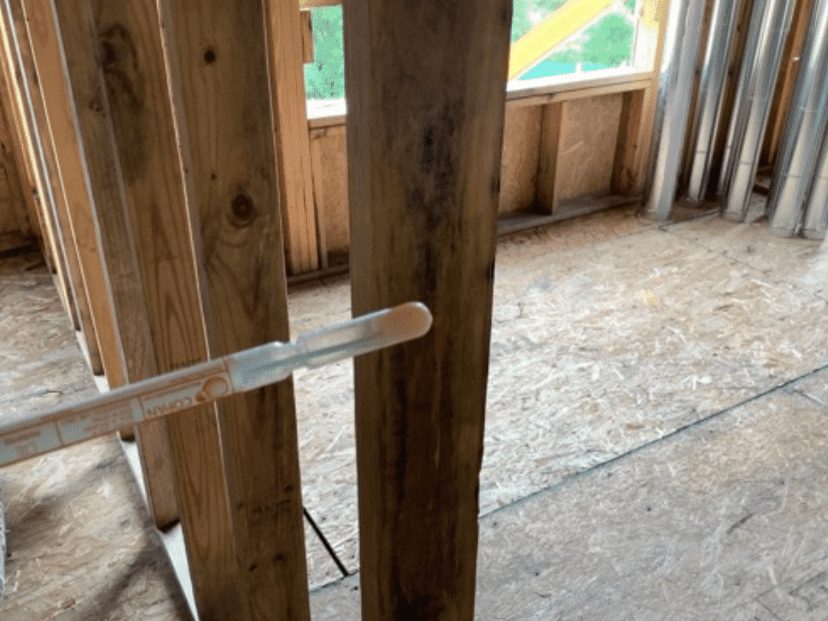
Water-damaged doorframe documented during an ESG post-storm inspection at a North Carolina home

Post-storm testing and consultation

ESG works with home and building owners to assess environmental risks in the wake of severe weather events, from a single wet room to a building that flooded. ESG's role is limited to moisture, mold, and indoor environmental conditions; we do not evaluate structural, electrical, or gas safety.

Moisture assessments of storm-affected walls, floors and framing
Mold testing and assessment where water intrusion has occurred
Air quality testing in buildings that took on water
Consultation on moisture and indoor environmental conditions and what to address first
Preventative recommendations to reduce moisture risk before the next event
Written documentation you can hand to contractors or insurers
Independent post-remediation verification once repairs are complete
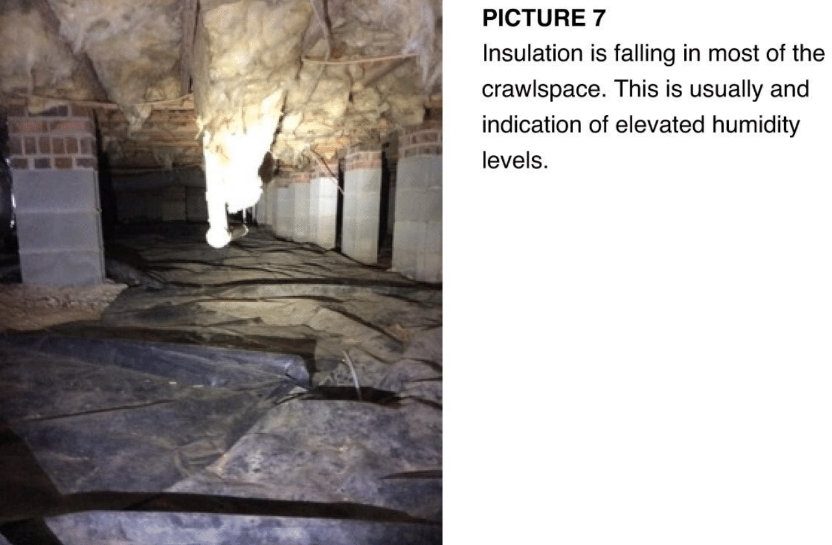
Storm-soaked subfloor exposed during an ESG moisture assessment in North Carolina
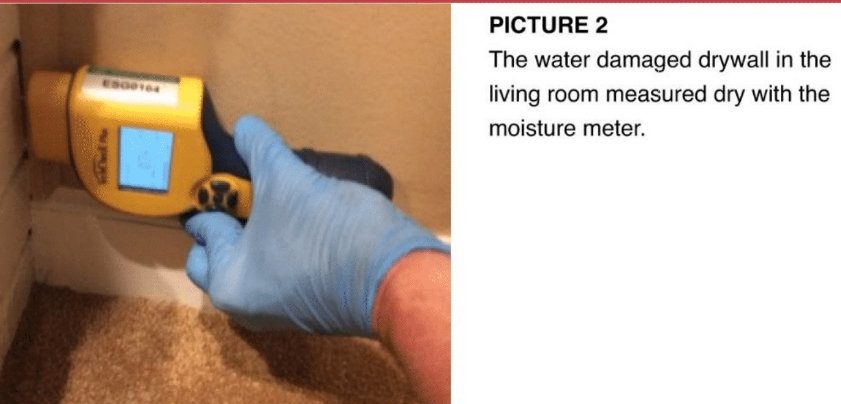
ESG moisture meter reading on a wall after water intrusion at a North Carolina property
Why ESG

Testing informed by 17+ years of severe weather fieldwork

ESG's owner, Dan Whittaker, has spent more than 17 years documenting and researching severe weather and its impact on buildings: the 2011 Super Outbreak tornadoes, hurricane landfalls including Matthew, Florence and Ian, Hurricane Helene, and the catastrophic 2024 flooding in western North Carolina.

That fieldwork, collecting wind, pressure, humidity and particulate data during real events, shapes how ESG evaluates storm-damaged buildings: where water gets in, how materials respond to environmental stress, and what to verify before you rebuild.

Talk to ESG after a storm
17+
Years of severe weather fieldwork
2002
Independent testing firm since
0
Remediation or repair services sold
3
States served: NC, VA and TN

Four steps from storm to answers

What to expect when you call ESG after a storm, flood or hurricane.

1

Call when it is safe

Once the property has been cleared as safe to enter (ESG does not assess structural, electrical, or gas safety), call 336-373-1538 or use the contact page. Describe what happened, what got wet, and what has already been done.

2

Moisture and damage inspection

An ESG consultant inspects the affected areas and takes moisture readings in accessible walls, floors and framing to document where water traveled and where moisture remains in the areas inspected.

3

Targeted sampling

Where conditions warrant, we collect air and surface samples for accredited laboratory analysis to determine whether mold is present in the samples collected.

4

Report and next steps

You receive a written report documenting the conditions evaluated, plus guidance on remediation standards. After repairs, independent post-remediation verification evaluates the work against applicable clearance criteria.

Common questions after a storm

Why test a building after a storm or flood?

Storm water rarely stays where you can see it. Moisture left inside walls, subfloors and framing can support mold growth long after surfaces look dry. Independent testing documents where moisture remains and whether mold is present in the areas and samples evaluated, before repairs seal the problem in.

Does ESG repair storm damage?

No. ESG tests and consults; we never perform remediation or repairs. That independence means our findings are not shaped by work we might win. If remediation is needed, we can point you to our Verified Remediator referral list. Contractor information is provided as a convenience. ESG does not guarantee, supervise, or accept responsibility for a contractor's pricing, schedule, workmanship, licensing status, or performance. The client selects and contracts with the contractor independently.

What experience does ESG have with severe weather?

ESG's owner, Dan Whittaker, has spent more than 17 years documenting and researching severe weather, from the 2011 Super Outbreak tornadoes to multiple hurricane landfalls and the 2024 flooding in western North Carolina. That fieldwork informs how ESG evaluates storm-damaged buildings.

Should I test again after repairs are finished?

Yes. Post-remediation verification is independent clearance testing: ESG evaluates the designated remediation area against applicable visual, moisture, odor, particle, and laboratory clearance criteria at the time of inspection. See our post-remediation verification page for how it works.

Storm damage? Get independent answers first.

Before you close up walls or sign a remediation contract, get independent data on the moisture conditions found and whether mold is present in the areas and samples evaluated.

Call 336-373-1538 · environmental@go-esg.com · Mon-Fri 8:30am-5pm