Call us or book online. Every report peer-reviewed by two certified professionals.
336-373-1538ESG is EPA Lead-Safe certified with an NC licensed lead inspector on staff. We collect paint chip, dust wipe, and soil samples, analyzed by accredited labs, so you know exactly where lead hazards exist and what to do next. We test. We never remediate.
Homes and buildings constructed before 1978 may contain lead-based paint. Without testing, you cannot know which surfaces are hazardous, whether dust or soil contamination exists, or what precautions are required before renovation.
An older building, deteriorating paint, a planned renovation, or a property transaction raises the question, but without sampling, you cannot confirm whether lead-based paint or dust contamination is present.
A written report summarizes laboratory findings, compares results against EPA and HUD regulatory thresholds, identifies specific hazard locations, and provides practical recommendations, so you can act with confidence.
ESG follows EPA and HUD guidelines for lead hazard evaluation. Samples are collected with controlled procedures to prevent contamination, then analyzed by accredited laboratories, with results delivered in a clear written report.
Environmental Solutions Group is EPA Lead-Safe certified with a Certified Indoor Environmental Consultant (CIEC) and an NC licensed lead inspector on staff. These credentials allow ESG to perform a wide range of lead-related sampling and evaluation services.
Because ESG does not perform lead abatement or remediation, our testing results carry no conflict of interest. We are not financially motivated to find lead hazards, or to minimize them. Our goal is accurate data and practical guidance so you can make informed decisions.
ESG follows EPA and HUD guidelines for all lead hazard evaluation work, and our laboratory partners are accredited for lead analysis. Every report includes a comparison against regulatory thresholds so findings are immediately actionable.
Schedule Lead TestingA straightforward four-step process: from your initial concern to lab-verified results and clear guidance on next steps.
Call 336-373-1538 or request online. We discuss your specific concerns (whether paint, dust, soil, or pre-renovation investigation) and determine which sample types are appropriate.
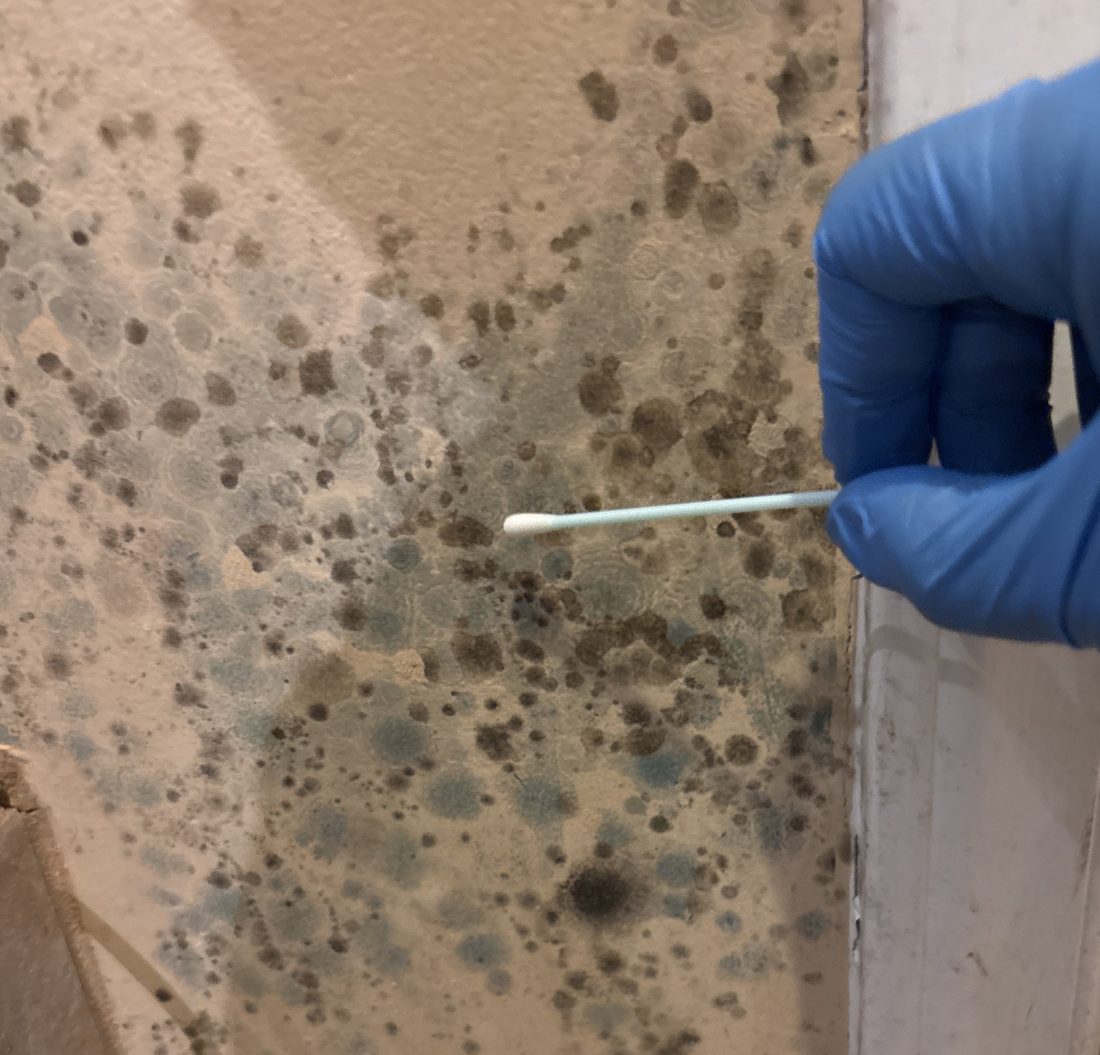
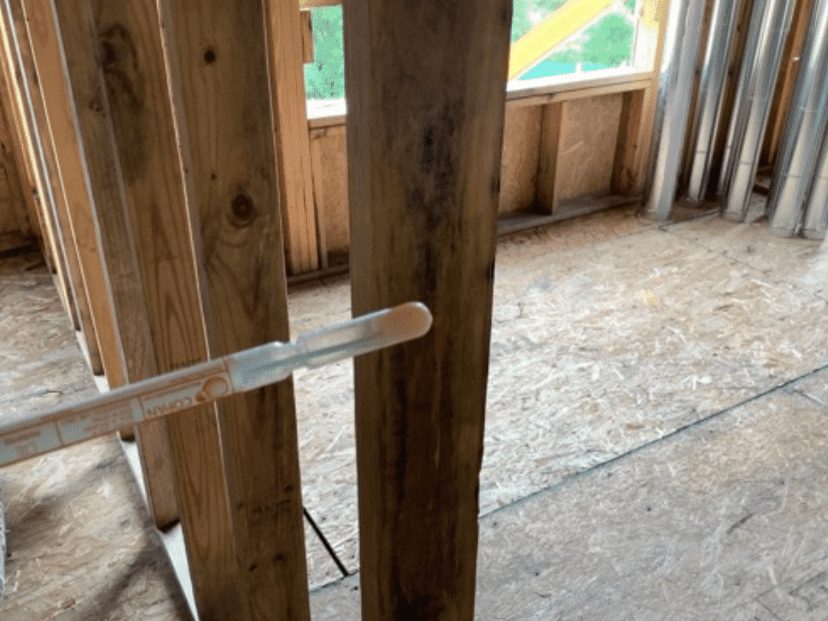
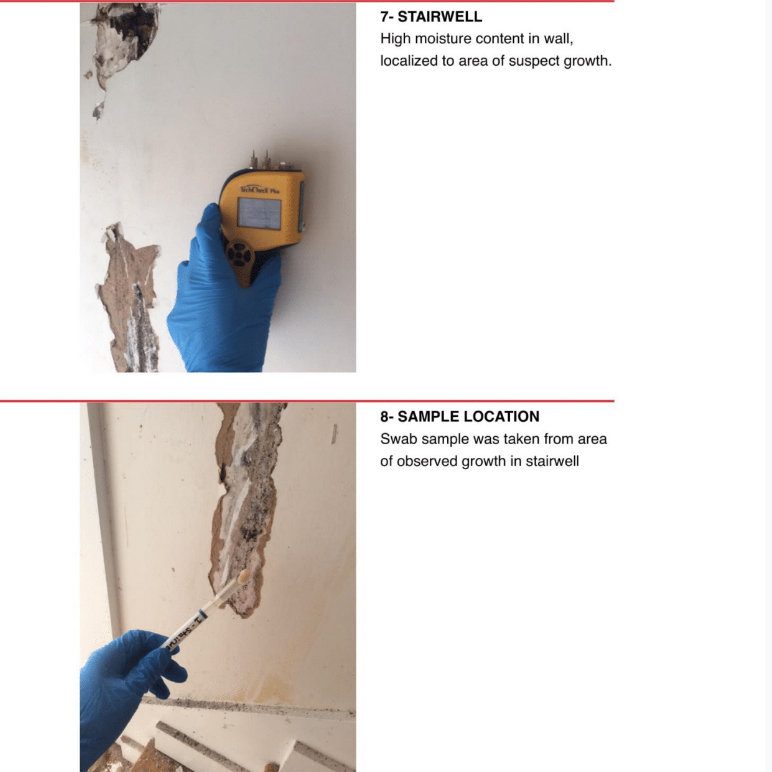
An NC licensed lead inspector visits the property and collects paint chip, dust wipe, and/or soil samples using controlled procedures per EPA and HUD guidelines to ensure uncontaminated results.
Samples are analyzed by accredited laboratories, confirming whether lead is present, the concentration in each sample, and whether levels exceed EPA or HUD regulatory thresholds.
You receive a written report with lab result tables, regulatory comparisons, hazard location identification, and practical recommendations. An ESG professional reviews all findings with you.
Targeted lead sampling investigates specific areas of concern (particular rooms, components, or surfaces) rather than evaluating an entire building. It is the most practical approach for most clients.
A full lead inspection evaluates an entire building for all lead-based paint locations, typically using XRF instruments. A lead risk assessment evaluates all pathways of occupant exposure. These are more extensive regulated investigations, and ESG can help you determine whether that scope is necessary.
No fabricated promises, just the facts about how we work.
Homes and commercial buildings constructed before 1978 are the primary concern, as residential lead-based paint was banned that year. The older the building, the higher the probability. Buildings from before 1940 are particularly likely to have original lead paint. Lead can also exist in soil around older structures due to exterior paint weathering or historic use of leaded gasoline.
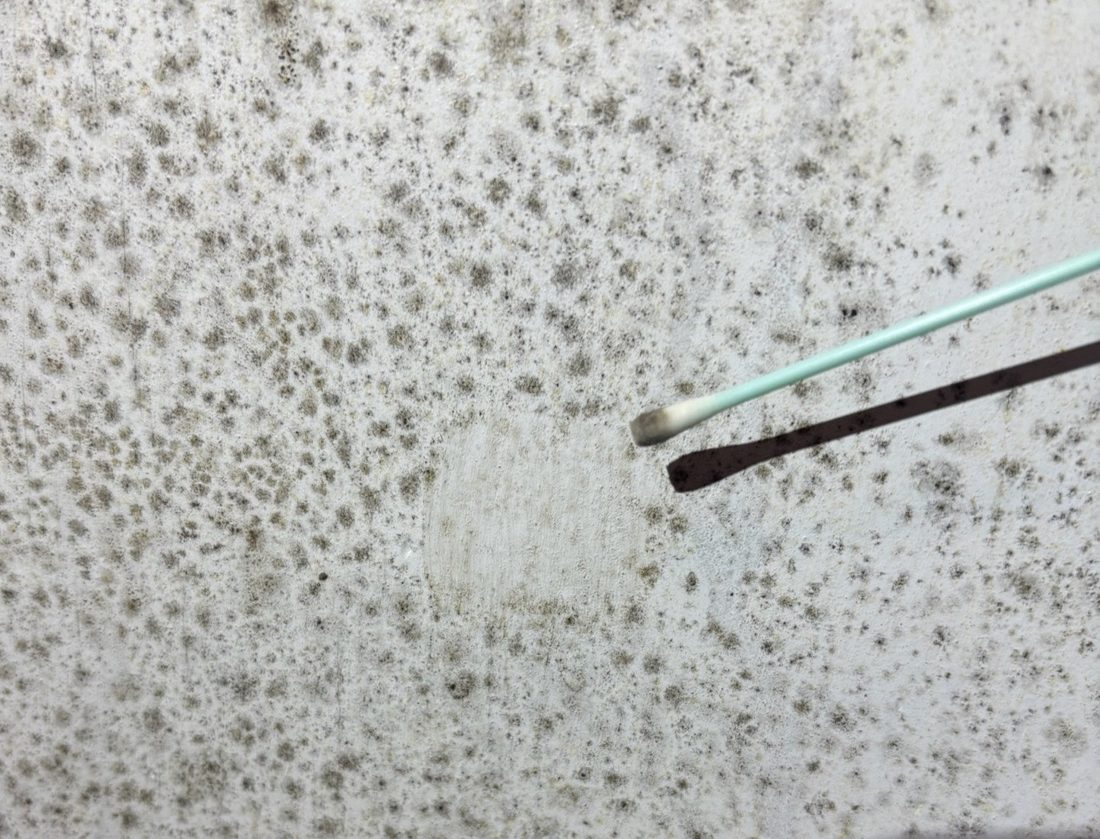
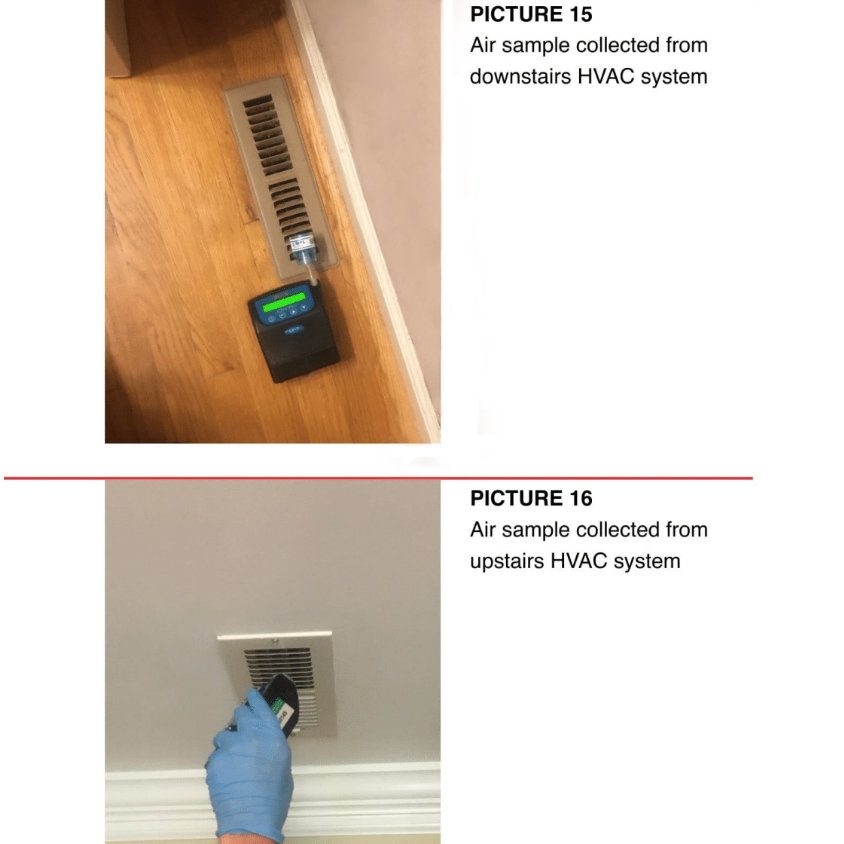
ESG collects three primary types: paint chip samples from painted building components to measure lead content in the paint itself; dust wipe samples from floors, windowsills, window troughs, stair treads, and doorways to measure lead dust as an exposure pathway; and soil samples from exterior locations where weathered paint or environmental contamination may have accumulated.
The EPA defines lead-based paint as paint containing 0.5% lead by weight (5,000 ppm) or greater. Dust and soil have separate regulatory thresholds established by the EPA and HUD. ESG's written reports compare all laboratory results directly against these regulatory standards so findings are immediately interpretable.
If your building was constructed before 1978, EPA's Renovation, Repair, and Painting (RRP) Rule requires that renovation contractors follow lead-safe work practices. Testing before renovation can confirm whether specific surfaces contain lead-based paint, informing the scope of precautions required and potentially allowing targeted rather than blanket lead-safe work procedures.
Targeted testing investigates specific areas, surfaces, or components of concern, and is typically the most practical and cost-effective approach. A full lead inspection evaluates an entire building for all lead-based paint locations using XRF instruments, and is typically required for regulated housing or federally funded properties. ESG can help you determine the right scope for your situation.
No. ESG is an independent testing and consulting firm only. We perform sampling, analysis, and reporting, with no involvement in abatement work. This means our results are completely unbiased. If elevated lead is found, our recommendations may include stabilizing deteriorating paint, using certified lead-safe renovation practices, or pursuing a full risk assessment, all based solely on your best interest.

Know what is in your building before you renovate, sell, or move in. ESG's certified, independent lead sampling gives you the lab-verified data to protect your family and make informed decisions.